Can a Window Tint Recommendation Help With Colorado Tint Laws and Tint Tickets?

Colorado Window Tint Recommendation is a phrase many drivers search when they have a medical condition that makes bright sunlight difficult to tolerate. If you struggle with migraines, lupus, photosensitivity, or another condition affected by sunlight, you may wonder whether physician documentation can help if your vehicle has darker window tint than Colorado law normally allows. Understanding what Colorado law does and does not provide is the first step toward making an informed decision.

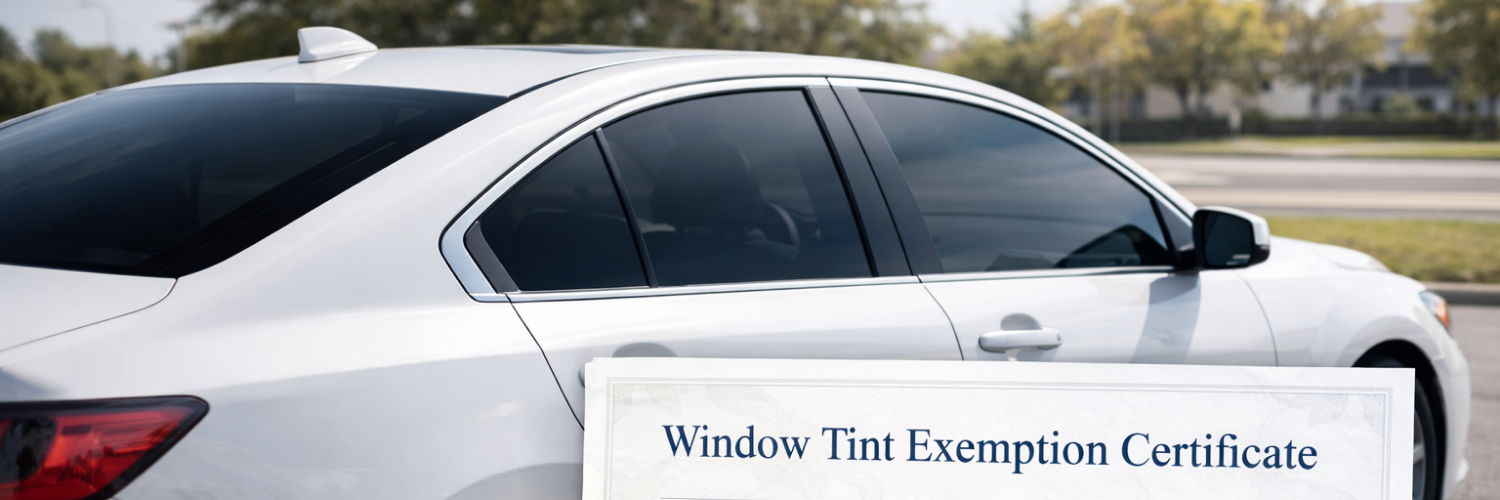
Unlike some states, Colorado does not have a formal medical window tint exemption program administered through the Department of Motor Vehicles. There is no state-issued permit or exemption certificate that allows qualifying drivers to legally exceed the state’s tint limits. Even so, many Colorado drivers choose to obtain a physician-issued Window Tint Recommendation to help document the medical necessity for additional protection from sunlight.

While a Window Tint Recommendation does not replace Colorado’s tint laws, it can provide supporting medical documentation that explains why darker tint is necessary for your health. Many drivers carry this documentation in their vehicle so they are prepared if they are questioned during a traffic stop.

How Colorado Window Tint Laws Apply to Medical Conditions

Colorado’s window tint laws establish specific limits for passenger vehicles. These regulations are designed to balance driver visibility, roadway safety, and law enforcement visibility while still allowing a reasonable amount of heat and glare reduction.

Under current Colorado law:

  • Only non-reflective tint is allowed on the top four inches of the windshield.
  • Front side windows must allow more than 27 percent of visible light transmission.
  • Rear side windows must also allow more than 27 percent visible light transmission.
  • The rear window may be darker if the vehicle has dual side mirrors.
  • Highly reflective and mirrored window films are restricted.

These requirements apply to most passenger vehicles regardless of whether a driver experiences discomfort from sunlight. Because Colorado does not issue medical exemption permits, drivers looking for additional protection often explore physician-supported recommendations instead.

Why Drivers Seek a Window Tint Recommendation

Sunlight can be more than an inconvenience for some people. Certain medical conditions make exposure to UV rays, glare, or bright light painful and, in some cases, medically significant. Driving for work, commuting every day, or simply running errands can become uncomfortable without additional protection.

Individuals commonly seek physician evaluation for conditions involving:

  • Photosensitivity
  • Lupus
  • Light-triggered migraines
  • Solar urticaria
  • Albinism
  • Certain skin disorders
  • Eye conditions affected by bright sunlight

Every person’s medical situation is unique. A licensed physician determines whether additional protection from sunlight is medically appropriate based on the individual’s condition and symptoms.

Can Physician Documentation Help During a Traffic Stop?

This is one of the most common questions Colorado drivers ask.

A Window Tint Recommendation does not guarantee that you will avoid receiving a citation, nor does it override Colorado’s existing tint laws. However, physician-issued documentation can help explain why darker tint has been installed because of a legitimate medical condition.

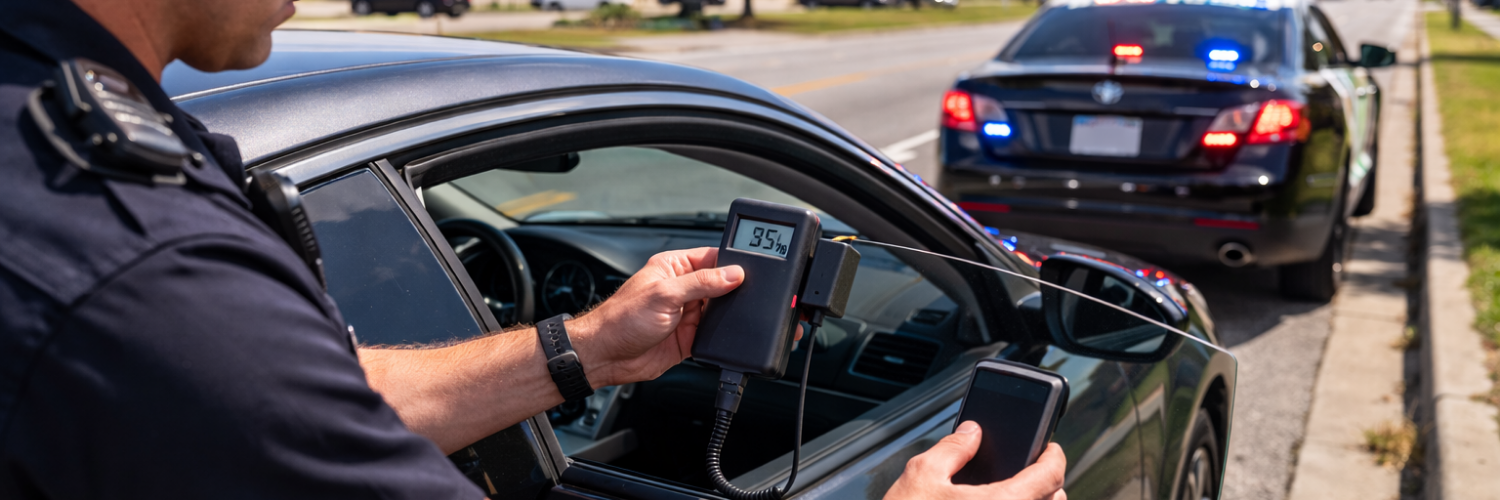
Law enforcement officers regularly evaluate circumstances during traffic stops. Having professional medical documentation available allows you to explain the reason for your darker tint instead of relying solely on a verbal explanation. Many drivers feel more confident knowing they have documentation supporting their medical need.

It is important to understand the difference between a state-issued exemption and physician documentation. Colorado currently recognizes neither a DMV exemption application nor a medical waiver process. Instead, drivers who pursue additional protection from sunlight often choose to carry physician-backed documentation that supports their medical circumstances.

How ForeverTint Helps Colorado Drivers

ForeverTint simplifies what could otherwise become a confusing process. Rather than searching for physicians familiar with window tint recommendations, drivers can complete everything online from home.

The process begins by purchasing your Colorado Window Tint Recommendation. After your purchase, our team coordinates a brief phone consultation with a licensed physician who reviews your medical history and symptoms. The consultation typically takes only a few minutes while still giving the physician the information needed to determine whether a recommendation is medically appropriate.

If approved, your Window Tint Recommendation is delivered electronically so you can print it and keep it with your vehicle documentation. If the physician determines you do not qualify, ForeverTint provides a full refund.

This straightforward process allows Colorado drivers to obtain professional medical documentation without scheduling an in-person office visit or waiting weeks for paperwork.

Understanding the Difference Between an Exemption and a Recommendation

Many websites incorrectly use the terms “exemption,” “waiver,” and “recommendation” interchangeably. In Colorado, these terms are not the same.

A medical exemption is generally issued or recognized by a state agency and creates a legal exception to standard tint laws. Colorado does not currently provide this type of exemption for passenger vehicles.

A Window Tint Recommendation, however, is physician-issued documentation explaining that additional protection from sunlight is medically appropriate for a qualifying patient. Although it does not change Colorado law, many drivers believe having professional medical documentation is preferable to having no documentation at all.

Drivers should make informed decisions based on accurate information about Colorado law. A physician-issued recommendation is intended to document a legitimate medical need, not provide permission to ignore the state’s tint regulations. Carrying supporting medical documentation may help explain your circumstances if you are questioned about darker window tint during a traffic stop.

What Should You Do if You Need Additional Sun Protection?

If bright sunlight makes driving uncomfortable because of a qualifying medical condition, speaking with a licensed physician is a practical first step. A physician can evaluate your symptoms and determine whether additional protection from sunlight is medically appropriate for your situation.

Many Colorado drivers choose this route because it provides professional medical documentation supporting their condition. While every situation is different, having physician-backed documentation is often preferable to relying on verbal explanations alone.

Before installing darker window tint, it is also important to understand Colorado’s current tint laws and how they apply to your vehicle. Making informed decisions can help reduce confusion while ensuring you understand both the benefits and limitations of a Window Tint Recommendation.

Why Drivers Choose ForeverTint

ForeverTint has helped thousands of drivers across the country obtain physician-issued Window Tint Recommendations through a convenient online process. Our goal is to make obtaining supporting medical documentation simple, fast, and affordable.

When you choose ForeverTint, you receive:

  • A brief phone consultation with a licensed physician.
  • A secure and convenient online process.
  • Fast electronic delivery of your documentation if approved.
  • A full refund if the physician determines you do not qualify.

Whether your symptoms involve severe light sensitivity, chronic migraines, lupus, or another qualifying medical condition, ForeverTint provides an easy way to connect with a physician without leaving your home.

Ready to Get Your Colorado Window Tint Recommendation?

If you experience medical conditions that make driving in bright sunlight difficult, ForeverTint can connect you with a licensed physician who will evaluate your eligibility for a Window Tint Recommendation. The entire process is completed online, consultations are conducted by phone, and approved documentation is delivered electronically so you can print and keep it in your vehicle.

Many Colorado drivers choose this option because it provides professional medical documentation supporting their need for additional protection from sunlight while remaining transparent about Colorado’s current window tint laws.

Frequently Asked Questions

Can a Window Tint Recommendation help with Colorado tint laws and tint tickets?

Colorado does not officially issue medical tint exemption permits through the state, but many drivers still obtain a physician-issued Window Tint Recommendation to help support their need for darker tint. Carrying supporting medical documentation may help explain why additional tint is necessary if you are stopped for darker-than-standard window tint.

Does using an online company like ForeverTint provide a valid Window Tint Recommendation in Colorado?

ForeverTint connects qualifying customers with a licensed physician who can review their condition and issue a Window Tint Recommendation when medically appropriate. While Colorado does not formally recognize state-issued tint exemptions, many drivers still use physician-backed documentation to help support their medical need for additional tint.

What happens if I’m pulled over without my Window Tint Recommendation in Colorado?

If your tint appears darker than Colorado’s legal limits and you do not have supporting documentation with you, law enforcement may issue a citation based on the vehicle’s tint level. Drivers who obtain a Window Tint Recommendation should keep a copy in their vehicle at all times.

Can I tint my windows as dark as I want with a Window Tint Recommendation in Colorado?

No. Colorado still has standard window tint laws that apply to passenger vehicles. A Window Tint Recommendation does not remove all tint restrictions, but it may help support the medical reason for having additional tint on your vehicle.

Do I need to apply with the Colorado DMV for a Window Tint Recommendation?

Colorado does not currently offer a formal DMV-issued medical tint exemption program. Instead, many drivers obtain a physician-issued Window Tint Recommendation to document their medical need for additional protection from sunlight and glare.

How do I get a Window Tint Recommendation in Colorado?

ForeverTint makes the process simple by connecting you with a licensed physician online for review. If approved, your Window Tint Recommendation is delivered digitally so you can print it and keep it in your vehicle as supporting medical documentation.

What medical conditions may qualify for a Window Tint Recommendation in Colorado?

Many people seek Window Tint Recommendations for conditions involving light sensitivity, UV exposure, migraines, lupus, skin disorders, or other medical concerns affected by sunlight and glare. A licensed physician determines whether your condition qualifies for a recommendation based on your symptoms and medical needs.


Colorado Window Tint Recommendation Information


Purchase Your Colorado Window Tint Recommendation