
Many drivers searching for Colorado Window Tint Recommendation Limits ask the same question: if a physician believes extra sun protection is medically appropriate, can you tint your windows as dark as you want? The answer is no. Colorado has no medical window tint exemption, and a Window Tint Recommendation does not change the state’s tint limits. This article explains what the limits are, what a recommendation is, and how drivers with light-sensitive conditions can add protection while staying within the law.
Colorado’s Tint Limits Apply to Every Driver
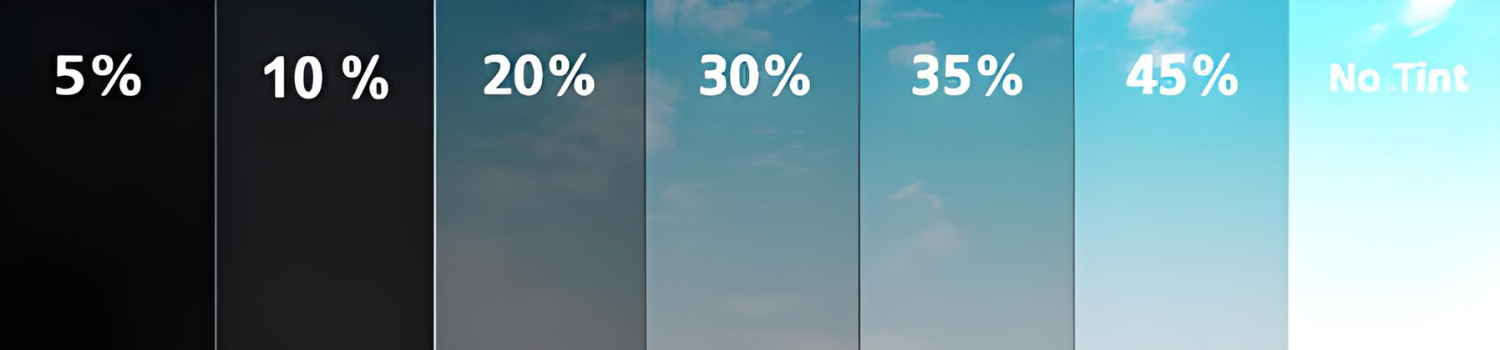
Colorado’s window tint law is C.R.S. 42-4-227. It contains no medical exemption, and Colorado has no state permit, DMV application, or medical tint program. Under the statute:
- Windshield: must allow at least 70% light transmittance. Non-reflective tint is allowed only on the top four inches.
- Other windows: must allow at least 27% light transmittance.
- Windows behind the driver: the rear side windows and rear window may be darker than 27% only if the windshield and front side windows allow at least 70% light transmittance.
These limits are the same whether or not you have a medical condition or a physician’s recommendation.
What a Window Tint Recommendation Is, and What It Is Not
A Window Tint Recommendation is a medical document signed by a licensed physician. It states the physician’s opinion that additional protection from sunlight is medically appropriate for you because of a diagnosed condition.
It is not a permit or a state exemption, and it has no legal effect under Colorado law. That means:
- A recommendation does not allow tint darker than the limits above.
- A recommendation does not prevent a citation if your tint is darker than the law allows.
- An officer is not required to accept it as a reason not to cite you.
Some drivers choose to keep a copy in the vehicle so they have their physician’s written opinion on hand. That is a personal choice, not a legal requirement.
Ways to Add Sun Protection Within the Limits
For people whose conditions are affected by sunlight, there are practical ways to reduce exposure without going darker than Colorado allows:
- Choose UV-blocking film within the limits. Many clear or light films block most ultraviolet light while still allowing at least 70% or 27% light transmittance, depending on the window. Ask your installer to confirm the light transmittance of the film and glass together.
- Use other protection. Sunglasses prescribed by your eye doctor, UV-protective clothing, and sunscreen add protection without affecting tint compliance.
- Talk with a physician. A physician can review your condition and advise which protective measures make sense for you.
Conditions a physician may consider include lupus, porphyria, xeroderma pigmentosum, albinism, photosensitivity dermatitis, melanoma and other skin cancers, and light-sensitive eye conditions.
Can You Still Receive a Citation?
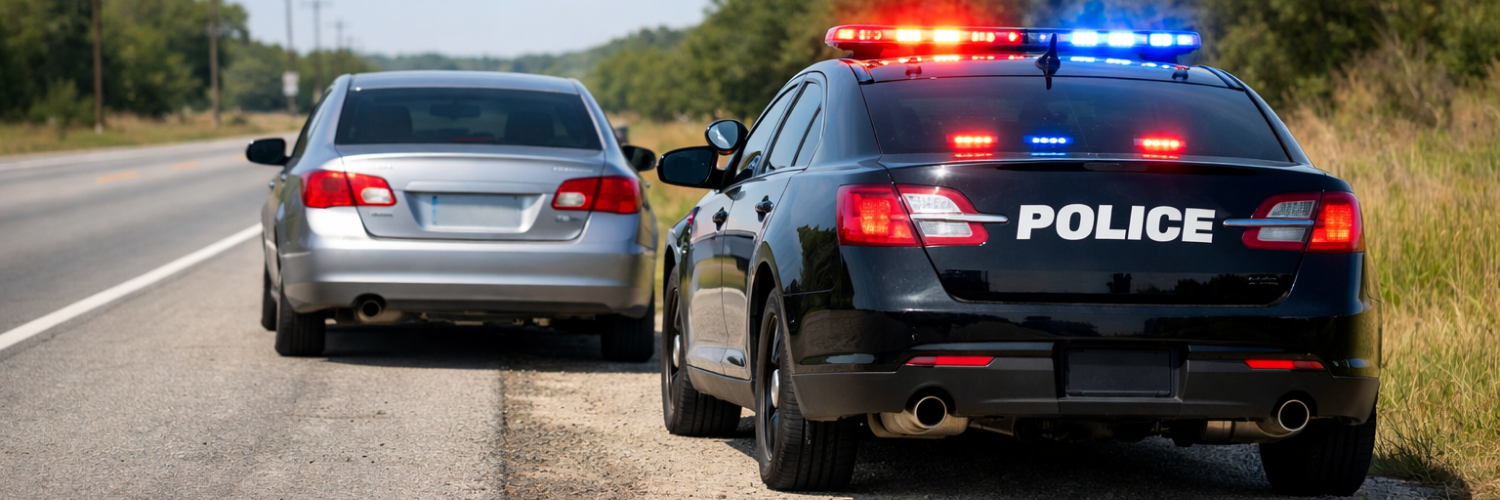
Yes. Tint darker than Colorado’s limits can be cited whatever your medical situation, and whether or not you carry a recommendation. The way to avoid a tint citation in Colorado is to keep your tint within the legal limits.
How ForeverTint’s Colorado Recommendation Works
If you want a physician’s written recommendation, ForeverTint offers a Colorado Window Tint Recommendation. An independent licensed physician reviews your medical history by chart review, and occasionally a brief phone call. If you qualify, your recommendation is delivered electronically so you can print it. If the physician determines you do not qualify, you receive a full refund.
The recommendation is medical documentation only. It does not change Colorado’s tint limits.
You can read more on our Colorado Window Tint Recommendation page, visit the Colorado purchase page, or read experiences from other customers on our ForeverTint Reviews page.
Frequently Asked Questions
Can I tint my windows as dark as I want with a Window Tint Recommendation in Colorado?
No. Colorado’s tint limits apply to every driver, and a Window Tint Recommendation does not change them.
What are Colorado’s window tint limits?
Under C.R.S. 42-4-227, the windshield must allow at least 70% light transmittance, with non-reflective tint allowed on the top four inches. Other windows must allow at least 27%. Windows behind the driver may be darker only if the windshield and front side windows allow at least 70%.
Does Colorado have a medical window tint exemption?
No. C.R.S. 42-4-227 contains no medical exemption, and Colorado has no state permit or DMV program for medical tint.
Can I still be cited if I have a recommendation?
Yes. A recommendation has no legal effect. Tint darker than Colorado’s limits can be cited whether or not you have one.

