
If you are trying to work out how to get a medical exemption for window tint, the process is shorter than most drivers assume. A medical window tint exemption is written permission, signed by a licensed physician, allowing a driver to run darker tint than the state’s normal visible light transmission limit because of a diagnosed medical condition. In roughly nineteen states that signed document is the entire process, and you keep it in the vehicle. In the rest, it feeds a state form that produces a permit, certificate or decal. This guide walks both paths.
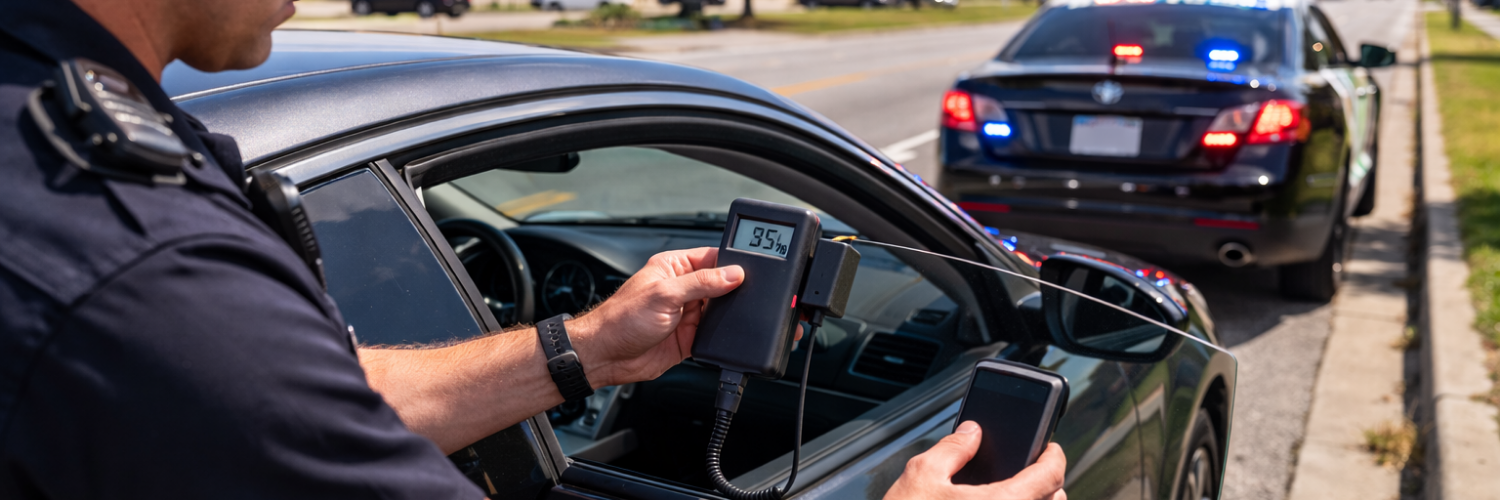
How to Get a Medical Exemption for Window Tint: The Short Answer
There are three moves, and the order never changes: document your condition with a licensed physician, match that document to your state’s mechanism, then carry the result in your vehicle. Everything else is detail.
State statutes are written around that document. California Vehicle Code section 26708(b)(10) permits darker material on front side windows when the driver has in their possession a letter signed by a licensed physician and surgeon certifying that the person must be shaded from the sun due to a medical condition, or a letter signed by a licensed optometrist certifying a visual condition, per the 2025 California Vehicle Code. Virginia uses the second path: Virginia Code section 46.2-1053 requires a signed statement from a licensed physician or optometrist that tinting is necessary to safeguard the driver’s health, and the DMV Commissioner then issues a written authorization the driver must possess while operating the vehicle, per the Code of Virginia. Both statutes describe paperwork, and neither requires a specialist or an in-person eye exam.
What Medical Conditions Qualify for a Medical Tint Exemption?
Conditions that make sunlight or glare a medical problem qualify, and the list is broader than drivers expect. Florida Statute 316.29545 names lupus, any autoimmune disease, and other medical conditions which require a limited exposure to light, per the Florida Senate statutes. That single phrase, any autoimmune disease, covers a large share of adults on its own.
Physicians reviewing a medical tint exemption most often see eczema, rosacea, lupus, photosensitivity dermatitis, vitiligo, albinism, porphyria, skin cancer history, light-triggered migraines, photophobia and glare sensitivity. Drug-induced photosensitivity counts too, which catches people off guard when a common antibiotic is the trigger.
There is a physical reason cars and light sensitivity collide. A 2016 study in JAMA Ophthalmology measured 29 vehicles from 15 manufacturers and found front windshields blocked an average of 96 percent of UVA light while side windows blocked only 71 percent, per Boxer Wachler, JAMA Ophthalmology, 2016. Your windshield protects you. Your driver’s window largely does not. Always consult with your healthcare provider about your condition; only a licensed physician can determine whether darker window tint is medically appropriate for you. To find out whether your diagnosis counts, See If You Qualify.
What Are the Exact Steps, and How Long Does Each One Take?
The steps are the same five everywhere, and only the last one changes by state: identify your state’s mechanism, document the condition with a licensed physician, receive signed documentation, file it with the state if filing is required, then keep the paperwork in the vehicle permanently.
Step-by-Step: How to Get a Medical Exemption for Window Tint Online
The online sequence runs like this. First, answer a short questionnaire about your condition and pick your state. Second, purchase the Medical Window Tint Exemption Package for that state, which is one flat, all-inclusive fee. Third, a licensed physician completes either a chart review or a brief 2 to 10 minute phone verification, with no video call and no in-person exam. Fourth, your signed, state-specific documentation arrives by email, typically the same day and within 72 hours, or by mail in Florida, where physical signatures are required. Fifth, print it, keep it in the glove box, and file it with your state agency if your state issues a permit or decal.
ForeverTint reports that only about 1 in 50 applicants is not approved after physician review, and that it has served more than 20,000 patients as of 2026. If the physician determines you do not qualify, the fee is refunded in full, so the review carries no financial risk.
In-Person Doctor Visit vs. Online Physician Review: Which Route Is Faster?
The online physician review route is faster and more predictable, mostly because you are not waiting on an appointment calendar you do not control. Both routes are legitimate and both end in a signed physician document. What differs is the wait, the cost, and whether the finished document matches your state’s form.
| Stage | Traditional in-person route | Online physician review route |
|---|---|---|
| Finding a provider | Call your primary care office and ask whether they write tint letters. Many do not. | Answer a short questionnaire and select your state. |
| Getting seen | Set by the next available appointment, plus travel time. | No appointment queue. Review begins after checkout. |
| The review itself | A standard office visit with a copay or self-pay charge. | A chart review or a 2 to 10 minute phone call. No video, no exam. |
| Typical total time | However long the appointment wait runs, plus state review time. | Typically same day, and within 72 hours. |
| What you receive | A letter in the office’s own format, sometimes missing elements your state expects. | Signed, state-specific documentation, including the completed state form where one exists. |
| If you do not qualify | You generally still pay for the visit. | Full refund. |
According to Derek Anderson at ForeverTint: “Most people qualify for a medical window tint exemption and simply do not know it, because they assume the process needs an in-person specialist visit when their state statute only asks for a signed physician document.”
Not sure which route your state uses? Contact Us Today before you spend anything.
Do You Have to File Your Exemption With the DMV, and When Does It Expire?
Whether you file with a state agency depends on your state, and this is the biggest branch in the process. In physician-document states such as California, Texas, Pennsylvania, Ohio and Washington, there is no state filing at all: the signed document is the exemption, and you carry it.
In state-approval states, the physician document is an ingredient rather than the finished product. New Jersey runs a four-form sequence through the Motor Vehicle Commission: a Sunscreening 1 application with Step 4 completed by your physician, a temporary approval valid 60 days, an installation confirmation, then a permanent approval valid 48 months that drivers are told to keep in the vehicle at all times and show whenever requested by law enforcement, per the New Jersey Motor Vehicle Commission. Georgia is stricter about delivery: the Georgia Department of Public Safety requires the application, the payment, and the physician letter on official letterhead to be mailed directly from the medical office to the Office of Professional Standards, per the Georgia Department of Public Safety. A letter the patient drops off themselves can be rejected on that basis alone.
Expiration varies just as much. Virginia authorizations stay valid as long as the condition persists or until the vehicle is sold. Alaska and Indiana expect annual recertification. Most states have a medical pathway of some kind, a handful have no formal state program, and in those states drivers rely on physician-issued supporting documentation. When paperwork needs refreshing, Tint Exemption Renewals come in 1-year, 3-year and 10-year terms with no re-qualification required.
Frequently Asked Questions
How long does it take to get a medical exemption for window tint?
Through an online physician review, signed documentation is typically emailed the same day and within 72 hours. Through a traditional office visit, the timeline depends on your provider’s next available appointment. In states that issue a permit or decal, add the agency’s own review time on top.
Do I need to see a doctor in person to get a window tint exemption?
Generally no. State tint statutes describe a signed physician or optometrist document rather than a specific visit format, so a chart review or a brief phone verification can satisfy the requirement. A few states add procedural rules, such as requiring the letter to be mailed directly from the medical office.
Can I still get a ticket if I have a medical window tint exemption?
Yes. Physician documentation for darker window tint does not guarantee you will not be stopped or cited, because officers retain discretion at the roadside. In ForeverTint’s experience, drivers who bring their documentation to court often have tickets dismissed, but no service can promise immunity from a citation.
How much does a medical window tint exemption cost?
The ForeverTint package is one flat, all-inclusive fee per state, listed at 199 dollars with current promotions shown on the purchase page, refunded in full if the physician determines you do not qualify. Separately, some state agencies charge their own application fee.
Conclusion
Knowing how to get a medical exemption for window tint comes down to which of two paths your state uses. Either a signed physician document is the exemption itself, or it feeds a state form that produces a permit, certificate or decal. Document the condition, match the paperwork to your state, keep it in the vehicle, and renew on your state’s schedule. For a physician review and paperwork that already matches your state’s requirements, Contact Us Today, or read the wider background in our guide to what a medical window tint exemption is.
This article is for general informational purposes and is not legal or medical advice. Physician documentation for darker window tint does not guarantee you will not be stopped or cited; officers retain discretion, and requirements vary by state.