
If you’re trying to avoid receiving Nevada Window Tint Tickets, the first step is understanding Nevada’s window tint laws and knowing when a medical window tint exemption may apply. While Nevada offers generous tint allowances on certain vehicle windows, the front side windows remain subject to strict light transmission requirements unless you qualify for a medical exemption. Understanding these rules before installing darker tint can save you from citations, unnecessary fines, and the inconvenience of having to remove illegal window film.
Many Nevada drivers choose darker window tint to reduce glare, improve comfort during the state’s hot summers, protect their vehicle’s interior, and limit exposure to harmful ultraviolet rays. Those are all legitimate reasons to install window tint, but the tint must still comply with Nevada law unless a qualifying medical condition allows an exemption. Fortunately, Nevada has an established medical exemption process for drivers whose health requires additional protection from sunlight or glare.
Whether you live in Las Vegas, Reno, Henderson, Sparks, Carson City, or anywhere else in Nevada, knowing the legal requirements before tinting your vehicle can help you avoid expensive mistakes. This guide explains Nevada’s tint laws, how medical exemptions work, and what you can do to remain compliant while still protecting your health.
Understanding Nevada Window Tint Laws

Nevada’s window tint laws are found under NRS 484D.440 and establish the legal amount of visible light that must pass through certain vehicle windows. The law also authorizes the Director to establish exemptions and exceptions, which forms the legal basis for Nevada’s medical window tint exemption program.
For most passenger vehicles, the legal tint requirements include:
- Windshield: Tint is allowed only on the topmost portion, with its bottom edge at least 29 inches above the driver’s seat.
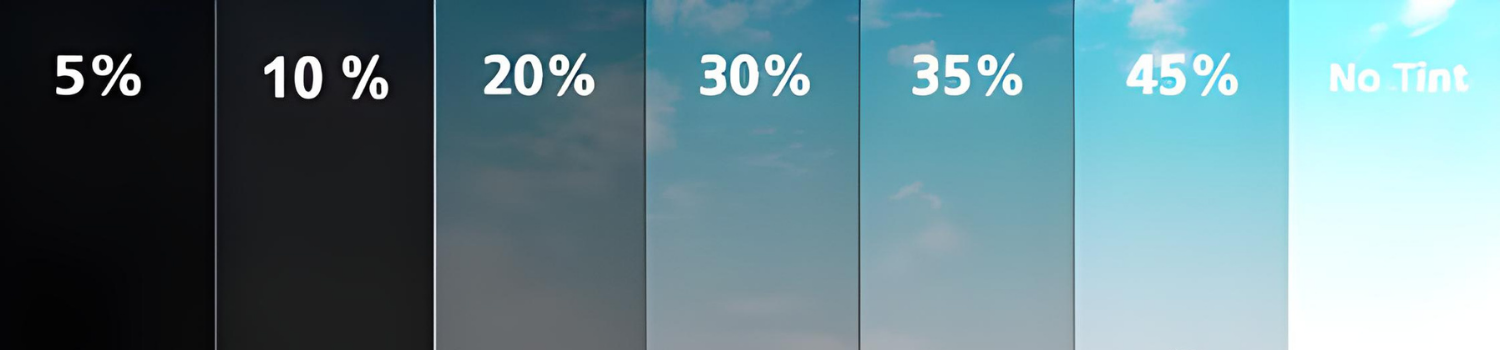
- Front side windows: Must be nonreflective and allow at least 35% light transmission, with a 7% tolerance.
- Rear side windows: Any darkness is permitted if the vehicle has outside mirrors on both sides.
- Rear window: Any darkness is permitted if the vehicle has outside mirrors on both sides.
Windshield tint may not be red or amber. Drivers with darker tint on the front side windows who do not have an approved medical exemption may receive citations if their vehicle does not comply with state law.
What Causes Drivers to Receive Nevada Window Tint Tickets?
Many window tint citations occur simply because drivers are unfamiliar with Nevada’s legal requirements. Others purchase vehicles with existing tint or have aftermarket tint installed without verifying whether it complies with state law. During a routine traffic stop, law enforcement officers may inspect window tint if it appears darker than allowed.
Officers can use tint meters to measure visible light transmission and determine whether your front side windows meet Nevada’s legal standards. If the tint exceeds the allowable limits and you cannot provide documentation supporting a valid medical exemption, you may receive a citation.
Receiving a window tint ticket often leads to additional expenses beyond the fine itself. Drivers may have to remove the tint, reinstall compliant film, or appear in court depending on the circumstances. Taking time to understand the law beforehand is almost always less expensive than correcting an illegal installation later.
When Can You Legally Have Darker Window Tint?
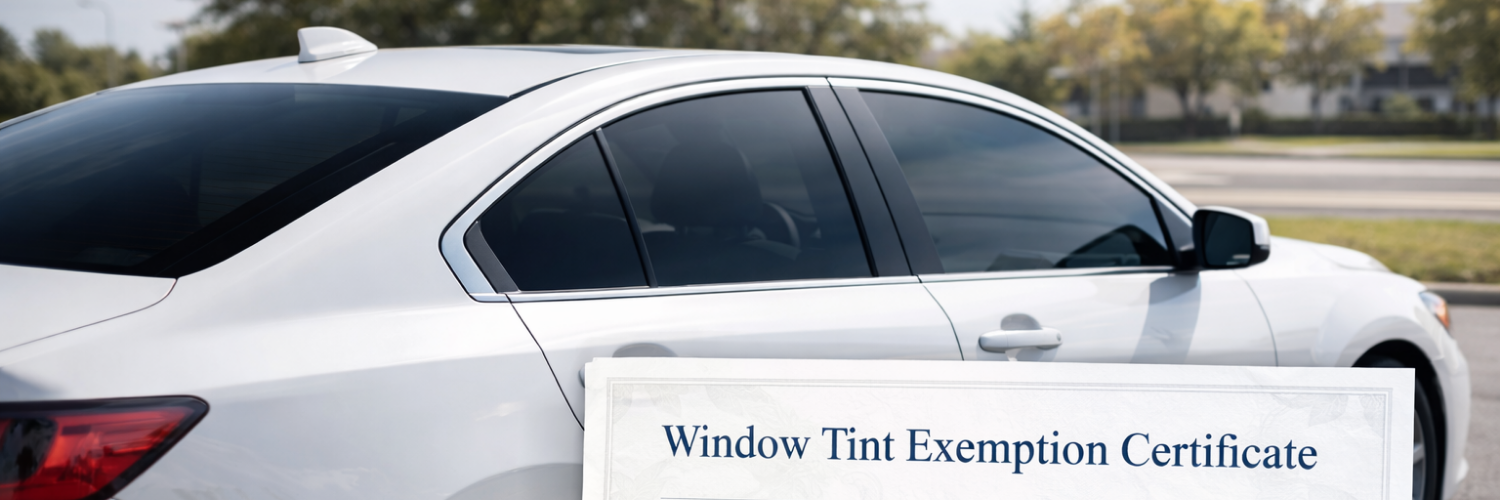
Nevada recognizes that certain medical conditions make prolonged exposure to sunlight medically harmful. Individuals with conditions such as lupus, porphyria, xeroderma pigmentosum, albinism, photosensitivity dermatitis, melanoma and other skin cancers, or light-sensitive eye conditions may qualify for a medical window tint exemption, which the Nevada Department of Public Safety approves.
Rather than ignoring Nevada’s tint laws, qualifying drivers can apply for an exemption on the Department of Public Safety’s Window Tint Exemption Application. This allows individuals with legitimate medical needs to receive additional protection while remaining compliant with Nevada regulations.
The important distinction is that darker front side tint is allowed only after the Department of Public Safety approves the exemption. Simply having a medical condition does not automatically authorize darker window tint.
Medical Documentation Is an Important Part of the Process
Medical documentation begins with an evaluation by a licensed physician who determines whether your condition warrants additional protection from sunlight or glare. If appropriate, the physician completes the physician section of the Window Tint Exemption Application, including the recommended tint percentage.
ForeverTint makes this process significantly easier by allowing you to complete the physician review remotely. Instead of trying to locate a provider on your own, drivers can purchase their evaluation online through ForeverTint’s Nevada Medical Window Tint Exemption service, and an independent licensed physician reviews their medical history by chart review or, occasionally, a brief phone call.
If the physician determines that you qualify, the completed physician section of the application is emailed to you so you can submit it to the Nevada Highway Patrol, Department of Public Safety. If the physician determines you do not qualify, you receive a full refund.
How ForeverTint Helps Nevada Drivers Stay Compliant
One of the biggest challenges for drivers is understanding exactly what paperwork is needed and where to begin. ForeverTint simplifies the medical step by connecting you with an independent licensed physician experienced in evaluating conditions that may qualify for additional window tint protection.
The medical step is designed to be convenient and completed from home. After purchasing your evaluation, an independent licensed physician reviews your medical history by chart review or, occasionally, a brief phone call, and, if you qualify, completes the physician section of the application. You then submit it to the Department of Public Safety.
Thousands of drivers across the country have trusted ForeverTint because the process saves time while ensuring the documentation is prepared correctly. You can also read what customers have experienced by visiting our ForeverTint Reviews page.
What Should You Do if You Receive a Nevada Window Tint Ticket?
If you receive a Nevada window tint ticket, don’t ignore it. Review the reason for the citation and determine whether your vehicle exceeds Nevada’s legal tint limits or whether you qualify for a medical window tint exemption. Addressing the issue quickly can help you avoid additional penalties and keep your vehicle compliant with state law.
If you have a qualifying medical condition but have not yet completed Nevada’s exemption process, it’s worth beginning that process as soon as possible. Obtaining an approved exemption before installing darker tint is always the safest approach and can help prevent future citations.
Common Medical Conditions That May Qualify
Medical window tint exemptions are intended for individuals whose health is negatively affected by prolonged exposure to sunlight, glare, or ultraviolet radiation. Nevada law does not list specific conditions. Every application is reviewed individually by a licensed physician, and conditions a physician may consider include:
- Lupus
- Porphyria
- Xeroderma pigmentosum
- Albinism
- Photosensitivity dermatitis
- Melanoma and other skin cancers
- Light-sensitive eye conditions
- Other diagnosed conditions made worse by ultraviolet exposure or glare
Even if your condition is not listed above, you may still qualify. During the physician review, your medical history and symptoms will be evaluated to determine whether a Nevada medical window tint exemption is appropriate.
Stay Legal While Protecting Your Health
Receiving a window tint ticket is often avoidable when you understand Nevada’s laws before installing darker window film. Drivers who simply want additional privacy or a darker appearance must stay within the state’s legal limits. However, drivers with legitimate medical conditions have a legal pathway to obtain additional protection through Nevada’s medical window tint exemption process.
ForeverTint makes getting started simple. From your initial purchase through the physician review and the completed physician section of your application, our process is designed to make the medical step efficient. Instead of guessing whether your tint complies with state law, you can move forward with confidence knowing the physician section of your application has been completed by a licensed physician.
If you’re ready to determine whether you qualify, visit our Nevada Medical Window Tint Exemption page to begin the process today.
Frequently Asked Questions
How can you legally avoid window tint tickets in Nevada?
The best way to avoid window tint tickets is to make sure your vehicle complies with Nevada’s tint laws or obtain a valid medical window tint exemption if you qualify. Following Nevada’s legal requirements before installing darker tint can help prevent citations and unnecessary expenses.
Can ForeverTint help me get the physician certification for a Nevada tint exemption?
Yes. ForeverTint connects you with an independent licensed physician who reviews your medical history by chart review or, occasionally, a brief phone call. If you qualify, the physician completes the physician section of the application, and the Nevada Department of Public Safety decides whether to approve the exemption.
What happens if you get pulled over without your Nevada tint exemption paperwork?
If your front side tint is darker than Nevada allows and you cannot show an approved exemption, you can be cited. The Department of Public Safety’s form says the approved document, or a copy, must be carried in the vehicle at all times.
Can you tint your windows as dark as you want with a Nevada medical exemption?
No. A Nevada medical window tint exemption does not allow unlimited darkness. The Department of Public Safety’s application form states that no window tint exemption less than 20% VLT will be approved.
Do you need to apply with the State of Nevada for a tint exemption?
Yes. A physician’s certification alone is not an exemption. You submit the Window Tint Exemption Application, with the physician section completed, to the Nevada Highway Patrol, Department of Public Safety, which decides whether to approve it.
How do you get a medical window tint exemption in Nevada?
First, a licensed physician reviews your medical history and, if you qualify, completes the physician section of the application. Then you complete your section and send it to the Department of Public Safety in Carson City. An approved exemption lasts 4 years for a temporary condition or indefinitely for a permanent, stable condition.
What medical conditions qualify for a Nevada window tint exemption?
Nevada law does not list specific conditions. Conditions a physician may consider include lupus, porphyria, xeroderma pigmentosum, albinism, photosensitivity dermatitis, melanoma and other skin cancers, and light-sensitive eye conditions. Each application is reviewed individually based on the physician’s medical evaluation.

