
If you drive with darker-than-standard window tint, it helps to know what a North Dakota Window Tint Recommendation Traffic Stop actually looks like. The short answer: being pulled over without your Window Tint Recommendation generally leads to the same outcome as being pulled over with it. North Dakota law does not provide a medical exemption from its window tint limits. A physician recommendation documents a medical need but does not change the legal limits or prevent a citation.
This article explains why drivers are stopped for tint in North Dakota, what to expect during the stop, and what a recommendation can and cannot do.
Why Drivers Are Stopped for Window Tint
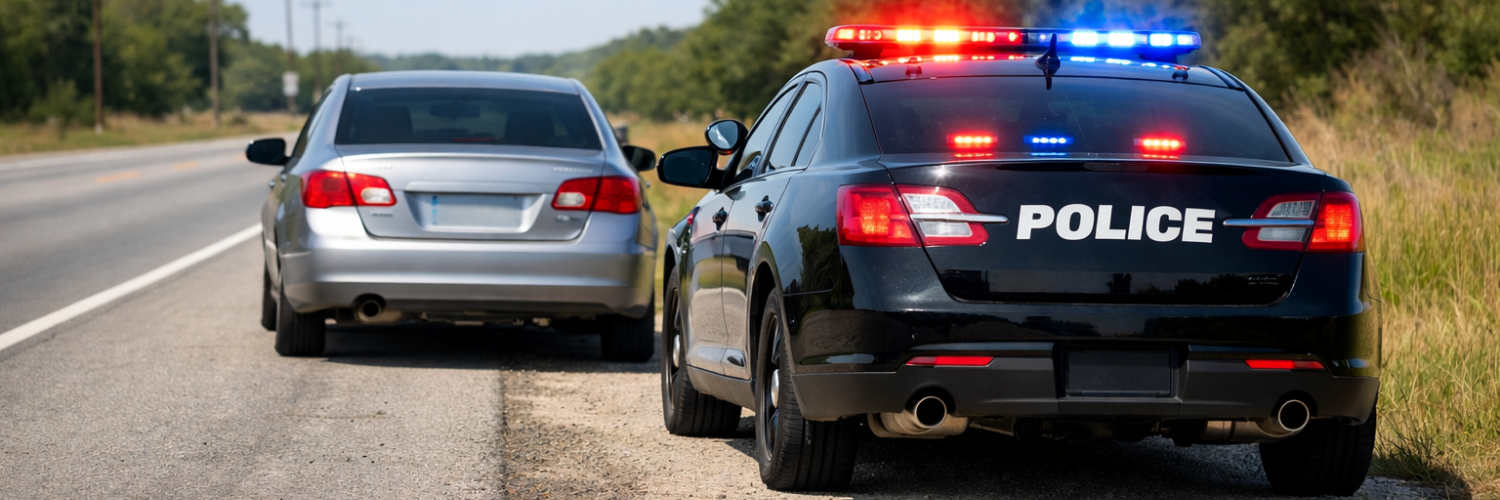
Officers may stop a vehicle when its tint appears darker than North Dakota allows. North Dakota’s window tint law is N.D.C.C. § 39-21-39, as amended by House Bill 1340 (2025), effective August 1, 2025. Under the current law:
- Windshield: must allow at least 70% light transmittance. Nonreflective tint is allowed above the AS-1 line or within the top five inches.
- Front side windows: must allow at least 35% light transmittance.
- Windows behind the driver: may be any darkness if the vehicle has outside mirrors on both sides; otherwise the 35% limit applies.
- Factory tint counts: the North Dakota Highway Patrol includes factory tint when measuring total light transmittance.
Knowing these limits before installing tint is the most reliable way to avoid a stop for tint.
What Happens During a Traffic Stop?
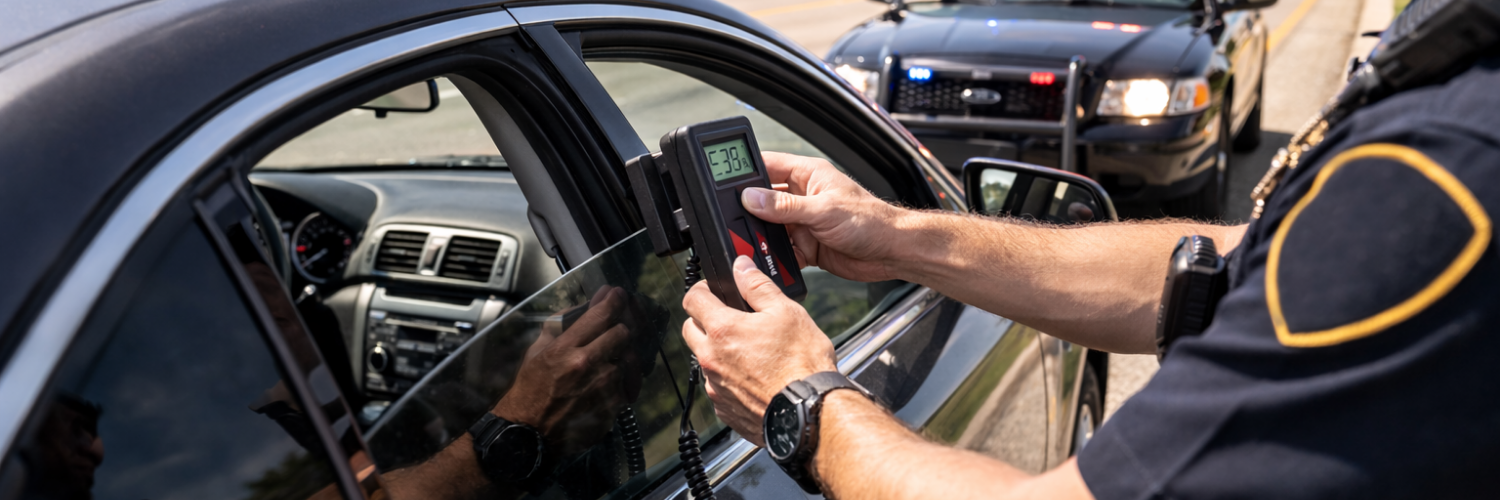
Every stop is different and depends on the officer and the circumstances. In general:
- The officer notices tint that may be too dark. Tint can be the reason for the stop, or it can be noticed during a stop for something else.
- You provide your license, registration, and proof of insurance. Stay calm, be respectful, and follow the officer’s instructions.
- The officer may check the tint. Light transmittance can be measured with a tint meter.
- The officer decides what to do. If the tint does not meet North Dakota’s limits, the officer may issue a citation or a warning.
Can a Window Tint Recommendation Prevent a Citation?
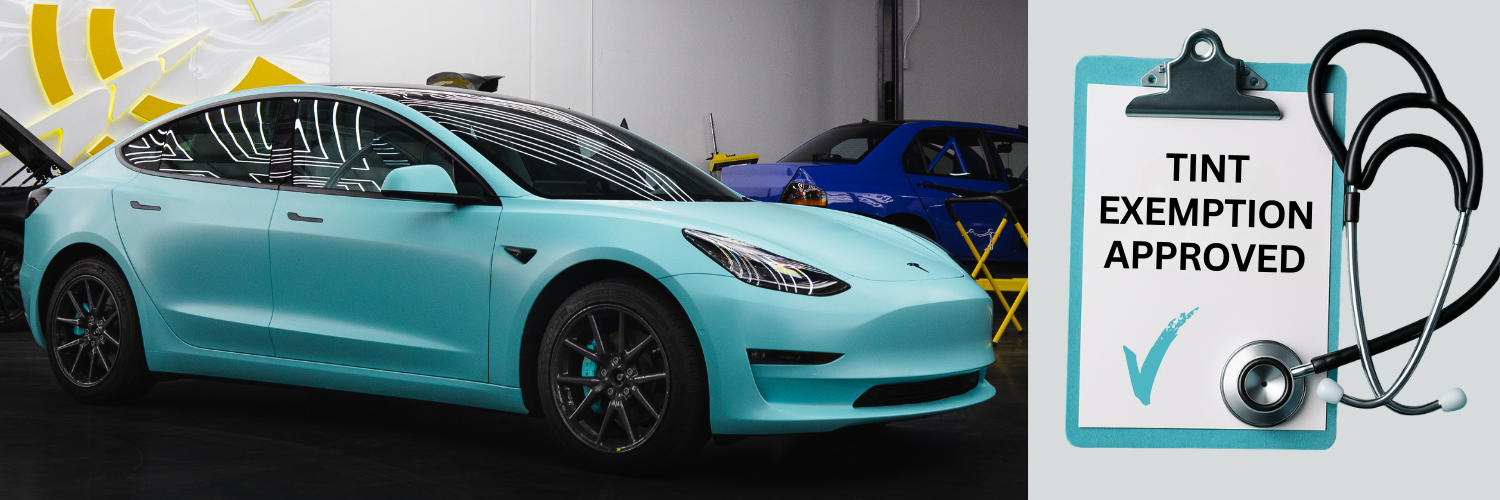
No. Because North Dakota has no medical exemption, a Window Tint Recommendation is not proof of an exemption and does not make tint outside the limits lawful. If your tint does not meet North Dakota’s limits, you can be cited whether or not you carry a recommendation, and an officer is not required to take it into account.
Do You Have to Carry Your Recommendation?
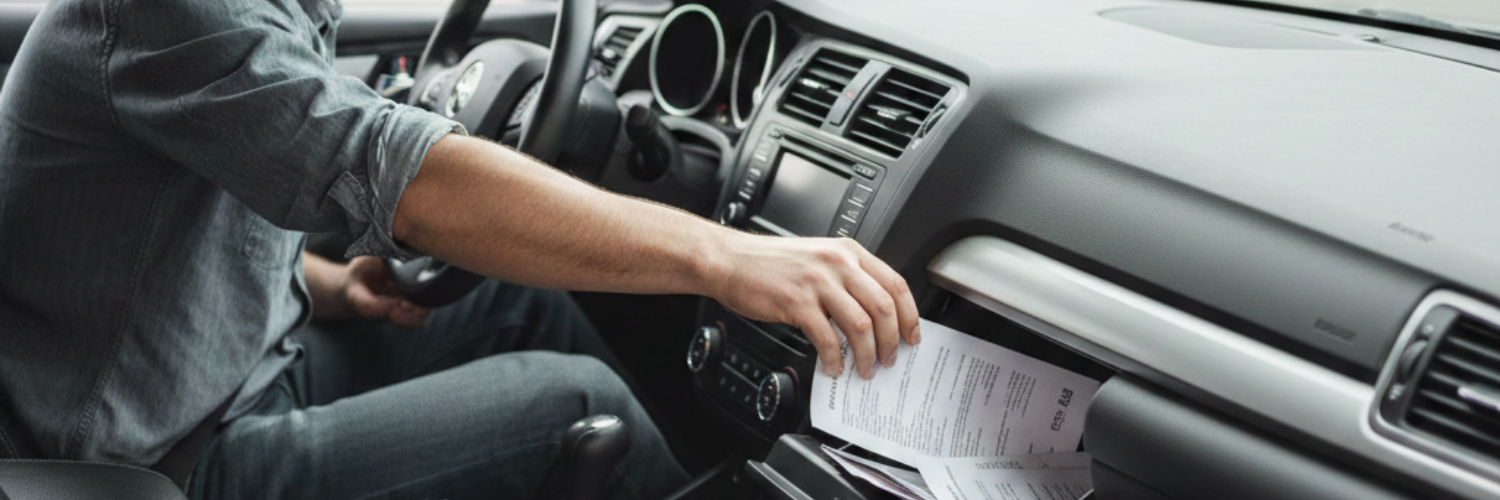
No. North Dakota has no application, permit, decal, or carry requirement for medical window tint, because state law does not provide a medical exemption. Some drivers keep a copy of their recommendation with their registration and proof of insurance to explain their medical need if asked, but leaving it at home does not change your legal position. The safest approach is to keep your tint within North Dakota’s limits.
Conditions a Physician May Consider

People seek a Window Tint Recommendation for conditions involving sensitivity to sunlight or UV light, such as lupus, porphyria, xeroderma pigmentosum, albinism, photosensitivity dermatitis, melanoma and other skin cancers, and light-sensitive eye conditions. An independent licensed physician decides whether a recommendation is appropriate for your condition.
How ForeverTint’s Recommendation Process Works
When you purchase through ForeverTint’s North Dakota Window Tint Recommendation service, an independent licensed physician reviews your medical history by chart review or, occasionally, a brief phone call, so there is no in-person office visit. If you qualify, your signed Window Tint Recommendation is delivered electronically so you can print it. If the physician determines you do not qualify, you receive a full refund.
The recommendation documents your medical need only; it does not change North Dakota’s tint limits. To see what customers have shared about their experience, visit our ForeverTint Reviews.
Frequently Asked Questions
What happens if I’m pulled over without my Window Tint Recommendation in North Dakota?
If your tint does not meet North Dakota’s limits, you can be cited whether or not you carry a Window Tint Recommendation, because the recommendation is not a legal exemption. Some drivers keep a copy in the vehicle to explain their medical need if asked, but an officer is not required to take it into account.
Should I show my Window Tint Recommendation during a traffic stop?
You may mention your medical condition and show the recommendation if you have it, but it does not exempt your vehicle from North Dakota’s tint limits and does not prevent a citation.
Does a Window Tint Recommendation stop me from receiving a ticket?
No. North Dakota law does not provide a medical exemption, so a recommendation has no legal effect on the tint limits. Officers retain discretion.
Am I required to carry a Window Tint Recommendation in North Dakota?
No. North Dakota has no permit, decal, or carry requirement for medical window tint.
How do I obtain a North Dakota Window Tint Recommendation?
ForeverTint connects you with an independent licensed physician who reviews your medical history by chart review or, occasionally, a brief phone call. If you qualify, your signed Window Tint Recommendation is emailed directly to you so you can print it and keep it in your vehicle.

