
Window tint is extremely common in Arizona. With intense sunlight and high temperatures throughout much of the year, many drivers rely on window film to reduce glare and keep their vehicles cooler. However, Arizona law places limits on how dark vehicle windows can be tinted. If your tint appears darker than the legal limit, law enforcement may stop your vehicle to investigate.
Drivers who qualify for an Arizona window tint exemption can legally install darker tint for medical reasons. However, the exemption must be properly documented. If you are pulled over and do not have your tint exemption documentation with you, it may create complications during the traffic stop.
Understanding what Arizona law requires and how tint exemptions work can help drivers avoid unnecessary citations.
Why Law Enforcement Checks Window Tint
Arizona’s window tint regulations are designed to maintain driver visibility and ensure that law enforcement officers can see inside vehicles when necessary. Because of this, officers may investigate vehicles with tint that appears darker than the state’s legal limits.
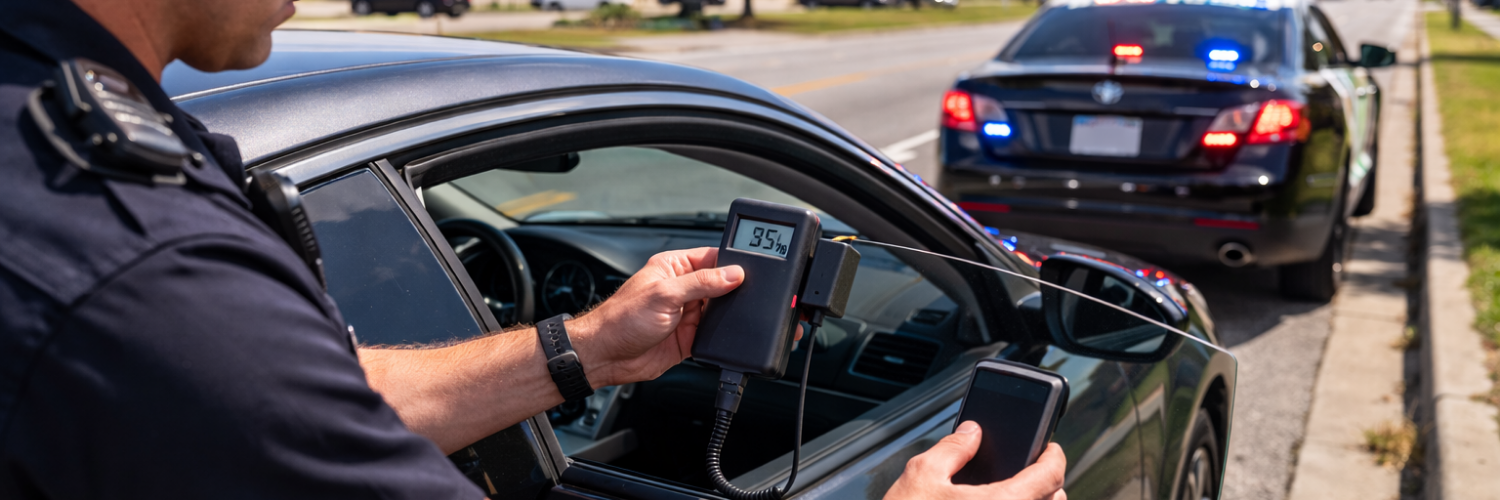
During a traffic stop, an officer may use a tint meter to measure the amount of light passing through the window. This measurement determines whether the tint complies with Arizona’s visible light transmission requirements.
If the tint is darker than the standard limit, the officer will typically ask whether the driver has a valid Arizona medical window tint exemption.
Arizona’s Legal Tint Limits
Arizona Revised Statute §28-959.01 regulates the amount of light that must pass through vehicle windows.
Some of the key limits include:
- Front side windows must allow more than 33 percent of visible light transmission.
- Rear side windows may have darker tint but must still follow reflectivity limits.
- Tint on the windshield is only allowed above the AS-1 line or manufacturer’s designated mark.
- Drivers who install tint darker than these limits without proper authorization may receive a citation.
For individuals with medical conditions that require protection from direct sunlight, the law allows a legal exception through an Arizona medical window tint exemption.
Why Documentation Is Required
Arizona requires that drivers who receive a tint exemption keep the documentation available in the vehicle. The exemption certificate must be signed and displayed on the dashboard so it can be presented if requested by law enforcement.
This requirement exists because darker tint can appear identical whether it is legally exempt or illegally installed. Without documentation, officers have no immediate way to verify that the tint is medically authorized.
The exemption certificate acts as proof that the darker tint has been approved under Arizona law.
What Happens During a Traffic Stop Without Documentation
If you are pulled over for dark window tint and cannot provide your exemption documentation, the officer may treat the tint as a potential violation.
In many cases, this may result in a citation for violating Arizona tint laws. The citation does not necessarily mean that your exemption is invalid. It simply means that proof was not available during the stop. Drivers who later obtain or locate their documentation may sometimes address the citation through the court process. However, this situation can still create unnecessary inconvenience and stress.
Keeping the documentation visible in the vehicle helps prevent this issue entirely.

Why Arizona Requires the Certificate to Be Displayed
Arizona’s exemption rules specifically state that the certificate of medical exemption should be displayed on the vehicle dashboard.
This allows officers to immediately see that the vehicle has been authorized for darker window tint. When the certificate is clearly visible, it can often prevent additional questioning during a traffic stop. Displaying the certificate also helps ensure that the driver remains fully compliant with the requirements of the exemption.
Common Mistakes Drivers Make
Many drivers who qualify for a tint exemption assume that simply having the exemption approved is enough. In reality, the documentation must also be kept in the vehicle.
Common mistakes include:
- Leaving the exemption certificate at home.
- Forgetting to place the certificate on the dashboard.
- Failing to sign the certificate issued by the Arizona Department of Transportation.
- Not carrying documentation in vehicles where the individual is a regular passenger.
- Avoiding these mistakes can help drivers prevent unnecessary citations.
How Drivers Obtain an Arizona Tint Exemption
- The process for receiving an Arizona window tint exemption begins with medical certification.
- A licensed physician must confirm that protection from direct sunlight is medically necessary. The physician then completes the medical certification section of the official Application for Window Tint Medical Exemption.
- The applicant completes the remaining sections of the form and submits it to the Arizona Department of Transportation for review.
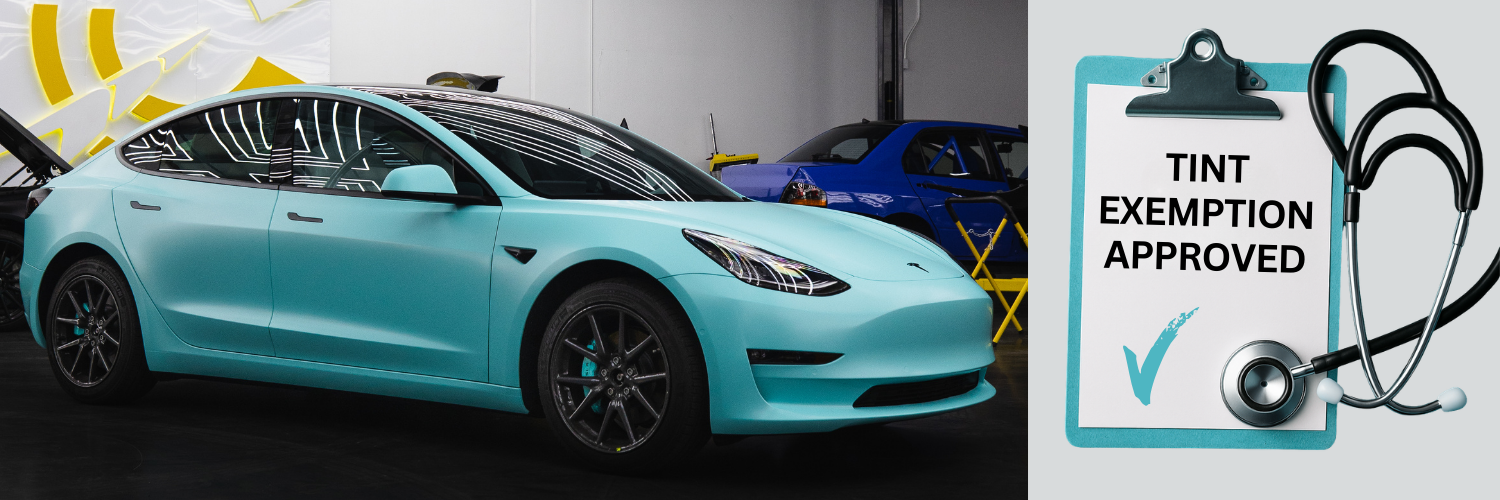
- Once the state approves the application, the certificate of exemption is issued and must be displayed in the vehicle.
Many drivers learn about the Arizona window tint exemption process when researching how to legally install darker tint. You can review the full requirements and steps involved here on our Arizona page here This page explains how the exemption process works and how physician certification is obtained.
The Role of Physician Certification
Arizona law requires written medical certification to support a tint exemption request. This certification confirms that darker window tint is necessary to protect the driver from direct sunlight due to a medical condition.
Some drivers choose to obtain this certification through services that connect them with licensed physicians for evaluation. Once the physician completes the medical certification portion of the exemption application, the form can be submitted to the Arizona Department of Transportation. Only after the state reviews and approves the application does the exemption become valid.
Learning More About Arizona Tint Exemptions
Being pulled over for dark window tint can be stressful, especially if you rely on darker tint for medical reasons. Arizona law allows medical exemptions, but drivers must keep the exemption documentation available in the vehicle at all times.
Visit our Arizona Tint Exemption page to learn more and begin your application. Drive legally. Stay compliant. Protect your health.

