
Learning how to get a medical tint waiver in Montana starts with understanding that medical support and final waiver approval are separate parts of the process. Montana law allows the highway patrol or a local law enforcement agency to grant a waiver of certain window tint standards for medical reasons when the request is based on an affidavit signed by an authorized licensed medical professional. Therefore, qualifying drivers should establish the medical need, obtain appropriate supporting documentation, and then complete the applicable waiver process before treating otherwise restricted tint as legally authorized.
This process can be especially important for people whose medical conditions are aggravated by sunlight, bright visible light, or related exposure. However, having symptoms or a diagnosis does not automatically create a legal exemption. Montana has a defined statutory framework, and following that framework can help drivers pursue additional tint protection more responsibly.
How to Get a Medical Tint Waiver in Montana Step by Step
Montana’s process differs from states that issue a medical tint permit directly through a department of motor vehicles. Under Montana Code Annotated 61-9-428, the highway patrol or a local law enforcement agency may grant a waiver of the standards in 61-9-405(4) for safety, security, or medical reasons. For a medical reason, the waiver must be based on an affidavit signed by a licensed physician, licensed physician assistant, or advanced practice registered nurse.
This legal structure makes it important to complete the process in the correct order. A driver should not install tint outside Montana’s standard limits first and assume a medical explanation can be added later. Instead, begin with the health-related basis for the request and work through the required authorization process before relying on darker tint.
Drivers can review the official requirements through the Montana Code Annotated waiver law. Using the official statute helps clarify who may provide the medical support and who may grant the written waiver.
Step 1: Determine Whether You Have a Medical Need for Additional Tint Protection

The process begins with a genuine medical reason for seeking additional protection from sunlight or light exposure. Some individuals experience symptoms that become worse during driving because sunlight enters through the windshield or side windows for extended periods. Others may have conditions involving photosensitivity, UV sensitivity, severe light-triggered symptoms, or medically significant reactions to sun exposure.
However, no generic list can guarantee qualification. Medical conditions vary from person to person, and the same diagnosis may affect two people differently. One individual may have a strong medical basis for additional protection while another person with the same diagnosis may not require darker vehicle tint.
This is why an individualized evaluation matters. The purpose is not simply to identify a condition by name. The provider should evaluate whether the person’s circumstances support a medical need for additional protection.
Step 2: Complete an Evaluation With an Appropriate Licensed Medical Provider

For medical reasons, Montana law specifically states that the waiver is based on an affidavit signed by a licensed physician, licensed physician assistant, or advanced practice registered nurse. Drivers should pay attention to this statutory language rather than assuming any informal medical note automatically satisfies the waiver framework.
ForeverTint helps simplify the medical evaluation stage by connecting customers with an independent licensed physician, who reviews their medical history by chart review or, occasionally, a brief phone call. This allows the physician to evaluate whether additional tint protection is medically supported without requiring a traditional office visit solely to begin the process.
If you believe sunlight or bright light aggravates a medical condition, you can review the Montana medical window tint exemption service. If the provider determines that you do not medically qualify, ForeverTint provides a full refund.
Step 3: Obtain Your Physician Affidavit if You Qualify
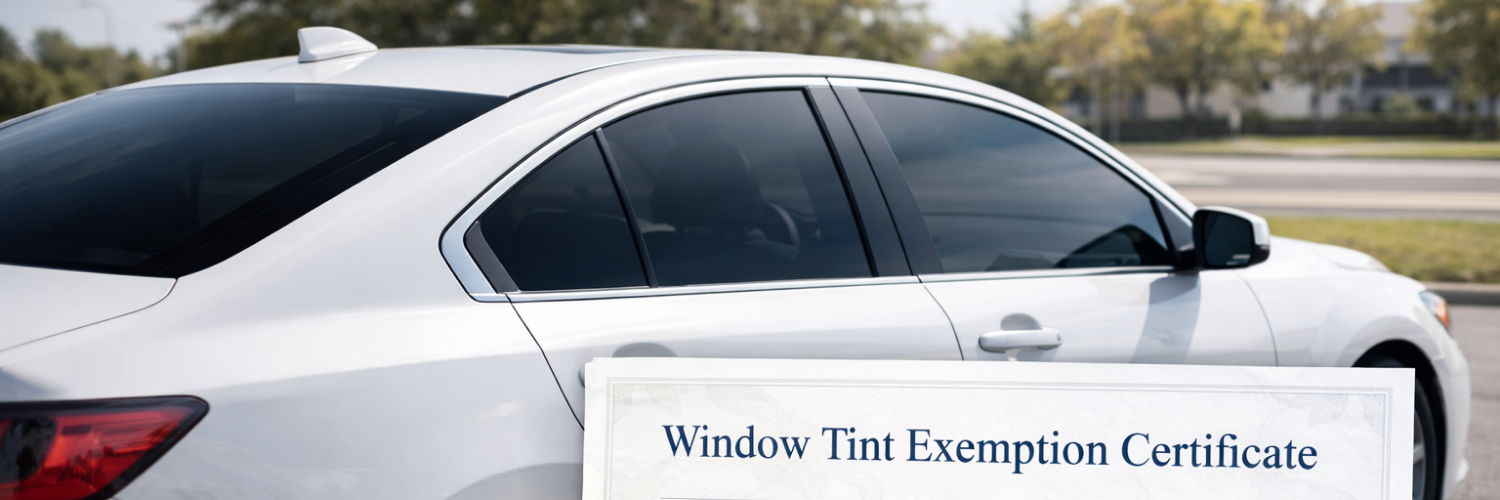
If the medical provider determines that your circumstances support the need for additional protection, the next step is obtaining appropriate documentation for the Montana waiver process. This medical support helps establish why an exception to ordinary tint standards is being requested.
Accuracy is important. The documentation should reflect the actual individual circumstances rather than relying on generic language that does not meaningfully explain the medical basis. Drivers should also review identifying information and other relevant details before using the documentation in the next stage of the process.
Receiving medical support is a significant step, but it is not the same as receiving the final written waiver. Montana law identifies a separate authority responsible for granting the waiver, so drivers should continue through the applicable process rather than assuming medical approval alone changes the legal status of their tint.
Who Grants a Medical Window Tint Waiver in Montana?
Under MCA 61-9-428, the highway patrol or a local law enforcement agency may grant a waiver of the applicable window tint standards. This is one of the most important Montana-specific details because drivers may incorrectly assume the process works through a traditional DMV application.
Montana’s statutory framework does not describe the medical waiver as a standard DMV-issued exemption card. Instead, an appropriate law enforcement authority may grant the waiver when the applicable requirements are met. Therefore, drivers should not simply send medical documentation to an unrelated agency and assume the process is complete.
Step 4: Follow the Applicable Process With an Authorized Law Enforcement Agency
After obtaining appropriate medical support, follow the process required by the highway patrol or local law enforcement agency involved in the waiver request. Because the final written waiver must be granted by an authorized law enforcement authority, this stage is essential before treating tint outside Montana’s ordinary standards as legally permitted.
Drivers should be prepared to provide accurate vehicle information and supporting records. If an agency requests additional information, respond carefully and keep copies of relevant documents. Do not assume that purchasing a medical evaluation service guarantees final approval because the medical provider and the law enforcement authority perform different roles.
What Information Must the Written Montana Tint Waiver Include?
Montana law provides specific requirements for the written waiver. Under MCA 61-9-428, it must contain the vehicle identification number, registration number, or another description that clearly identifies the motor vehicle to which the waiver applies. This makes the authorization vehicle-specific rather than a general permission that automatically follows a person to every vehicle.
The written waiver must also include the date it was issued, the name of the owner of the vehicle, the reason the waiver was granted, the dates the waiver is effective, and the signature of the law enforcement officer granting it. These requirements create a clear record of what was approved and when the authorization applies.
Why Vehicle Information Is So Important
A driver should not assume that a waiver issued for one vehicle automatically applies to another. If you sell your car, purchase a replacement vehicle, or begin regularly driving a different vehicle, review whether the existing waiver remains applicable. The statute’s requirement for clear vehicle identification makes this an important compliance consideration.
Check all identifying details when you receive the written waiver. If a vehicle identification number, registration number, owner name, or other important information appears incorrect, address the issue promptly. Waiting until a traffic stop to discover a discrepancy can create unnecessary confusion.
Why Effective Dates Matter
Montana law requires the written waiver to identify the dates it is effective. Therefore, a medical need should not be confused with permanent authorization unless the actual waiver supports that conclusion. Drivers should review the effective period and avoid relying on expired authorization.
The statute also requires the highway patrol or local law enforcement agency to keep a copy of the waiver until it expires. This reinforces the formal nature of the process and shows why a waiver should not be treated as an informal note without defined terms.
Do You Need a Waiver for the Tint You Want?

Before completing a medical waiver process, determine whether your planned tint is already legal under Montana’s ordinary standards. Under MCA 61-9-405, front side windows generally cannot have light transmission below 24% or luminous reflectance above 35%. For rear windows and side windows behind the front seat on many passenger vehicles, light transmission generally cannot fall below 14% and luminous reflectance cannot exceed 35%.
However, Montana provides different treatment for the rear window and side windows behind the front seat on multipurpose vehicles, vans, and buses. Depending on your vehicle classification and desired tint location, you may already have greater flexibility than you realize.
For more information about standard limits and exemptions, review the Montana medical window tint waiver process. Understanding the baseline law first can help you determine whether a medical exception is relevant to your specific tint plans.
How ForeverTint Helps With the Montana Medical Evaluation Stage
ForeverTint helps reduce the uncertainty involved in beginning the medical portion of the process. Instead of trying to determine on your own whether your symptoms may support a request for additional sun protection, an independent licensed physician can review your circumstances by chart review or, occasionally, a brief phone call.
The process is designed for convenience while still requiring a real medical evaluation. Approval is not automatic simply because someone purchases the service. The provider must determine whether the reported condition and symptoms support a medical need for additional tint protection.
If you qualify, the signed physician affidavit is emailed to you so you can move forward with the applicable Montana waiver process. Customers who want to understand the service experience can also review ForeverTint customer reviews. Reviews can provide helpful context, but they do not guarantee medical qualification or final waiver approval.
What ForeverTint Does Not Replace
ForeverTint does not replace the highway patrol or local law enforcement agency authorized under Montana law to grant a waiver. The service focuses on the medical evaluation and supporting documentation stage. Drivers remain responsible for completing the applicable legal process before treating otherwise restricted tint as authorized.
This distinction is important because it keeps each step clear. A licensed medical provider evaluates the health-related basis for the request, while the authorized law enforcement authority determines whether to grant the written waiver. Following both stages helps drivers pursue darker tint through Montana’s recognized legal framework.
Common Mistakes to Avoid When Seeking a Montana Tint Waiver
One common mistake is installing darker-than-standard tint before completing the waiver process. A driver may genuinely believe a medical condition justifies additional protection, but the medical need alone does not automatically change the vehicle’s legal status. Completing the process first can reduce the risk of citations and uncertainty.
Another mistake is assuming that medical documentation equals the final waiver. Supporting records are important because they establish the medical basis for the request, but Montana law separately identifies the highway patrol or a local law enforcement agency as the authority that may grant the waiver.
Drivers should also avoid assuming that one waiver automatically applies to every vehicle they own. Because the written authorization must clearly identify the applicable motor vehicle, changing vehicles can affect whether the existing waiver applies. Review the documentation whenever your vehicle circumstances change.
Follow the Correct Process for a Montana Medical Tint Waiver
Understanding how to get a medical tint waiver in Montana can help you avoid treating a physician-supported medical need as automatic legal authorization. Montana provides a specific process that involves appropriate medical support and a written waiver granted through an authorized law enforcement authority.
The most responsible approach is to begin with an individualized medical evaluation, obtain the physician affidavit if you qualify, follow the applicable waiver process, and carefully review the final written authorization. Once a waiver is granted, pay attention to the vehicle information, effective dates, and other details included in the document.
By completing each stage in the proper order, you can pursue additional protection from sunlight while making informed decisions about Montana tint compliance. This approach is more reliable than installing dark tint first and trying to resolve legal questions only after a traffic stop or citation.
Start Your Montana Medical Tint Evaluation Today
If sunlight, glare, or bright light aggravates a medical condition, explore the Montana medical window tint exemption service from ForeverTint. A licensed medical provider can review your individual circumstances and determine whether additional tint protection is medically supported. If you do not medically qualify, you will receive a full refund, helping you pursue an evaluation without assuming that payment guarantees approval.
Frequently Asked Questions
How do I get a medical tint waiver in Montana?
Start by obtaining an individualized medical evaluation from an appropriate licensed provider. If the medical need is supported, obtain the required documentation and then follow the applicable process with the Montana Highway Patrol or a local law enforcement agency authorized to grant the written waiver.
Who can sign medical support for a Montana tint waiver?
Montana law states that a waiver for medical reasons is based on an affidavit signed by a licensed physician, licensed physician assistant, or advanced practice registered nurse. The provider should evaluate the individual circumstances supporting the request.
Does the Montana DMV issue medical tint waivers?
Montana law does not describe the process as a traditional DMV-issued medical tint exemption card. Under the state statute, the highway patrol or a local law enforcement agency may grant the waiver.
Can I install darker tint as soon as I receive medical documentation?
You should not assume medical documentation alone authorizes tint outside Montana’s standard limits. Complete the applicable waiver process and obtain valid authorization before treating otherwise restricted tint as legally permitted.
What information is included in a Montana tint waiver?
The written waiver must clearly identify the applicable vehicle and include the date issued, the vehicle owner’s name, the reason for granting the waiver, the effective dates, and the signature of the law enforcement officer granting it.

