
If you’re concerned about receiving Oregon Window Tint Tickets, understanding Oregon’s tint laws is the best place to start. Window tint offers excellent protection from heat, glare, and harmful UV rays, but Oregon has specific legal standards that every driver must follow. Installing window tint that exceeds those limits without proper documentation can lead to citations and unnecessary expenses. Fortunately, Oregon law also provides a legal pathway for qualifying drivers with certain medical conditions to operate vehicles with darker window tint.
Whether you’ve recently been stopped for illegal tint, you’re considering tinting your vehicle, or you have a medical condition that makes sunlight difficult to tolerate, knowing your rights and responsibilities can help you stay compliant. Oregon’s medical tint exemption laws are designed to accommodate drivers who genuinely need additional protection while maintaining safe operating standards for everyone on the road.
Understanding Oregon Window Tint Laws

Oregon regulates vehicle window tint under ORS 815.221. The law establishes minimum visible light transmission requirements, limits reflectivity, restricts certain tint colors, and outlines when darker window tint may legally be used because of a qualifying medical condition. Understanding these requirements before installing window film can save you from costly citations and the inconvenience of removing illegal tint.
Many drivers mistakenly believe that any professionally installed tint is automatically legal. In reality, the installer and the vehicle owner are both responsible for ensuring the finished installation complies with Oregon law. That makes it important to understand the legal limits before scheduling your installation.
Standard Window Tint Requirements
For most passenger vehicles, Oregon requires front side windows, rear side windows, and the rear window to have 35 percent or more total light transmittance, with film that transmits at least 50 percent. Tint may only be applied to the top six inches of the windshield. Window film may not exceed 13 percent reflectivity, and mirror-finish products along with red, gold, yellow, amber, and black tint materials are prohibited.
Sport utility vehicles, vans, and other qualifying multipurpose passenger vehicles have additional flexibility. While the front side windows must still comply with the state’s standard light transmission requirements, darker tint may be installed on windows behind the driver when the vehicle is equipped with functioning mirrors on both sides.
Why Drivers Receive Oregon Window Tint Tickets

Most Oregon window tint citations are issued because a vehicle exceeds the state’s permitted tint limits or because the driver cannot demonstrate that darker tint is legally authorized. Law enforcement officers may visually inspect a vehicle during a traffic stop or use tint measuring equipment when necessary to determine compliance.
Some of the most common reasons drivers receive citations include:
- Installing front side window tint darker than Oregon allows.
- Using highly reflective window film.
- Applying prohibited tint colors.
- Operating a medically exempt vehicle without carrying the required documentation.
- Using windshield tint outside the permitted six-inch strip.
Fortunately, many of these situations are entirely avoidable when you understand the law before tint is installed and carry the proper paperwork whenever a medical exemption applies.
How Oregon Medical Tint Exemptions Help Drivers Stay Legal
Oregon recognizes that some medical conditions require greater protection from sunlight than the standard tint laws provide. ORS 815.221 allows qualifying individuals to legally use darker window tint when a licensed physician or optometrist determines that additional protection is medically necessary.
This exemption is not intended to allow unrestricted tint simply for appearance or privacy. Instead, it serves as a medical accommodation for individuals whose health may be negatively affected by prolonged exposure to sunlight or ultraviolet radiation.
Who May Qualify?
Oregon law does not list specific conditions. Conditions a physician may consider include lupus, porphyria, xeroderma pigmentosum, albinism, photosensitivity dermatitis, melanoma and other skin cancers, and light-sensitive eye conditions. Every patient is evaluated individually by a licensed medical professional based on their specific condition and symptoms.
If you qualify, Oregon law permits qualifying documentation to be provided as a physician or optometrist affidavit, prescription, or letter written on official letterhead. That documentation serves as the legal basis for operating a vehicle with medically necessary darker tint. The exception covers the side and rear windows of a vehicle registered in your name or your legal guardian’s name. The 13 percent reflectance limit, the windshield rule and the banned colors still apply.
Keeping Your Documentation With You

One of the most important parts of Oregon’s medical tint exemption law is the documentation requirement. Receiving approval from a physician or optometrist is only part of the process. The documentation must remain inside the vehicle whenever you are driving with darker-than-standard tint.
If a law enforcement officer questions your vehicle’s tint during a traffic stop, presenting the appropriate documentation demonstrates that your darker tint is authorized under Oregon law. Without it, you may still receive a citation even if you have a qualifying medical condition.
Keeping your paperwork in your glove compartment or another easily accessible location helps ensure you can quickly provide it whenever requested.
Working With ForeverTint
Obtaining medical documentation for darker window tint doesn’t have to involve multiple office visits or lengthy wait times. ForeverTint streamlines the process by connecting qualifying Oregon drivers with licensed physicians who understand the state’s medical tint exemption requirements. Everything can be completed from the comfort of your home, making the process both convenient and efficient.
After purchasing through ForeverTint’s Oregon Medical Window Tint Exemption service, an independent licensed physician reviews your medical history by chart review, occasionally with a brief phone call. Your medical condition and symptoms will be reviewed to determine whether additional protection from sunlight is medically necessary. If you qualify, your qualifying documentation will be prepared and delivered electronically so you can print it and keep it inside your vehicle as required by Oregon law.
How to Avoid Future Oregon Window Tint Tickets
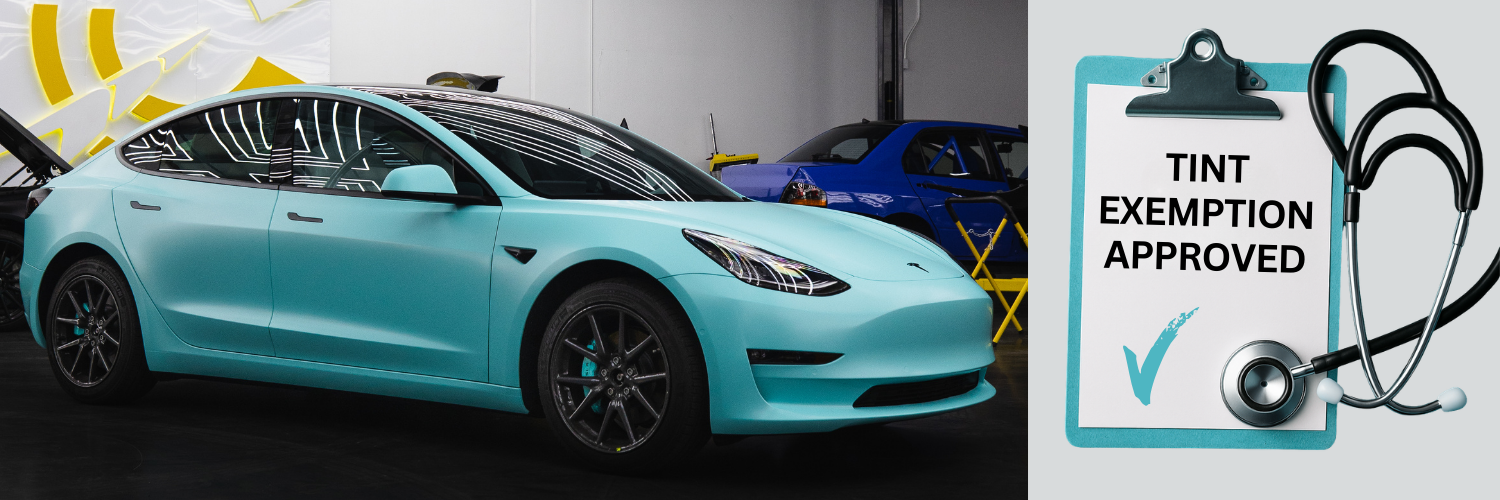
Avoiding future citations starts with understanding Oregon’s tint regulations before installing window film. Drivers should always verify that their tint complies with the state’s legal requirements or obtain proper medical documentation before exceeding those limits. Taking these steps beforehand is significantly easier than dealing with citations, removing illegal tint, or facing repeated traffic stops.
Here are several ways to reduce your chances of receiving an Oregon window tint ticket:
- Have your window tint installed by a reputable professional familiar with Oregon regulations.
- Verify that your tint meets Oregon’s visible light transmission and reflectivity requirements.
- Carry your physician or optometrist documentation inside the vehicle if you have a medical exemption.
- Keep your documentation current and easily accessible during traffic stops.
- Retain your installer certificate showing the tint’s light transmittance and reflectance information.
These simple steps can help you remain compliant while still enjoying the comfort and protection that quality window tint provides.
Understanding Your Rights Under ORS 815.221
ORS 815.221 recognizes that some drivers require additional protection from sunlight because of legitimate medical conditions. The law specifically allows licensed physicians and optometrists to authorize darker window tint through qualifying documentation when medically necessary. Oregon also requires that this documentation remain inside the vehicle and be presented to law enforcement if requested.
The law strikes a balance between roadway safety and reasonable medical accommodations. Drivers who qualify can legally operate vehicles with darker window tint while remaining compliant with Oregon law, provided they follow the documentation requirements established by the statute.
Protect Your Health While Staying Compliant
If sunlight causes pain, discomfort, or worsens a diagnosed medical condition, you don’t have to choose between protecting your health and following Oregon law. A medical window tint exemption may provide the legal solution you need while allowing you to drive more comfortably and safely every day.
ForeverTint has simplified the process for qualifying Oregon drivers by connecting them with licensed physicians who understand the state’s medical documentation requirements. If you qualify, you’ll receive professionally prepared documentation that complies with Oregon law and can be carried inside your vehicle as proof of your medical exemption.
Frequently Asked Questions
How can you legally avoid window tint tickets in Oregon?
The best way to avoid window tint tickets in Oregon is to make sure your vehicle complies with ORS 815.221 or that you carry valid medical tint documentation if your tint is darker than the standard legal limit. Drivers with qualifying medical conditions may legally operate vehicles with darker tint when supported by physician or optometrist documentation kept inside the vehicle.
Is an online company like ForeverTint valid for obtaining an Oregon medical tint exemption?
Yes. Oregon law allows licensed physicians or optometrists to provide medical documentation supporting darker window tint for qualifying medical conditions. ForeverTint connects drivers with an independent licensed physician who can evaluate eligibility and provide the signed document if you qualify.
What happens if you are pulled over in Oregon without your medical tint documentation?
If law enforcement questions your darker window tint and you cannot provide your medical documentation, you may still receive a citation for violating Oregon tint laws. Oregon requires that your physician or optometrist documentation be kept inside the vehicle whenever you are operating with medically exempt tint.
Does an Oregon medical tint exemption allow any tint darkness?
No. The medical exception relaxes only Oregon’s light transmittance limits for side and rear windows. The 13 percent reflectance limit still applies, windshield tint is limited to the top six inches, and mirror finish products and red, gold, yellow, amber or black tint material remain prohibited.
Do you need to apply with the Oregon DMV for a medical tint exemption?
No. Oregon law does not require a DMV-issued permit for medical window tint exemptions. Instead, qualifying drivers carry documentation signed by a licensed physician or optometrist supporting the medical need for darker window tint.
How do you get a medical window tint exemption in Oregon?
You must be evaluated by a licensed physician or optometrist who determines that darker window tint is medically necessary. If you qualify, you’ll receive qualifying documentation such as an affidavit, prescription, or physician letter that must remain inside your vehicle.
What medical conditions qualify for a medical window tint exemption in Oregon?
Oregon law does not list specific conditions. Conditions a physician may consider include lupus, porphyria, xeroderma pigmentosum, albinism, photosensitivity dermatitis, melanoma and other skin cancers, and light-sensitive eye conditions. A licensed physician or optometrist will determine eligibility based on your individual medical condition.

