
If you’re researching an Illinois Medical Window Tint Percentage, you may be wondering whether a medical window tint exemption allows you to install any darkness of tint on your vehicle. The simple answer is no. While Illinois law provides medical accommodations for qualifying drivers, receiving an exemption does not mean every window can be tinted without limitation. Understanding what the exemption allows can help you remain compliant while receiving the additional sun protection your medical condition requires.
Many people assume that once they receive physician approval, they can install the darkest tint available on every window. That is a common misconception. Illinois medical window tint exemptions exist to accommodate legitimate medical needs while still balancing public safety and driver visibility.
Before scheduling a tint installation, it’s important to understand how Illinois law approaches medical exemptions and why following the proper approval process matters.
What Does an Illinois Medical Window Tint Exemption Actually Allow?

An Illinois medical window tint exemption allows qualifying drivers to receive additional protection from direct sunlight when a licensed physician determines it is medically necessary. Under 625 ILCS 5/12-503(g), the exemption applies to the windshield and front side window limits for a vehicle with the distinctive license plates or plate stickers issued by the Secretary of State. It does not eliminate every window tint regulation contained in Illinois law.
Drivers must first qualify through a licensed physician and then complete the Illinois Secretary of State tinted window license plate process. The exemption recognizes a medical necessity for additional protection, but it does not remove the driver’s responsibility to comply with the requirements established through the state’s approval process.
This distinction is important because many websites incorrectly suggest that a medical exemption gives drivers unlimited freedom to choose any tint percentage they prefer. Illinois law does not describe the exemption that way.
Understanding Illinois Window Tint Laws
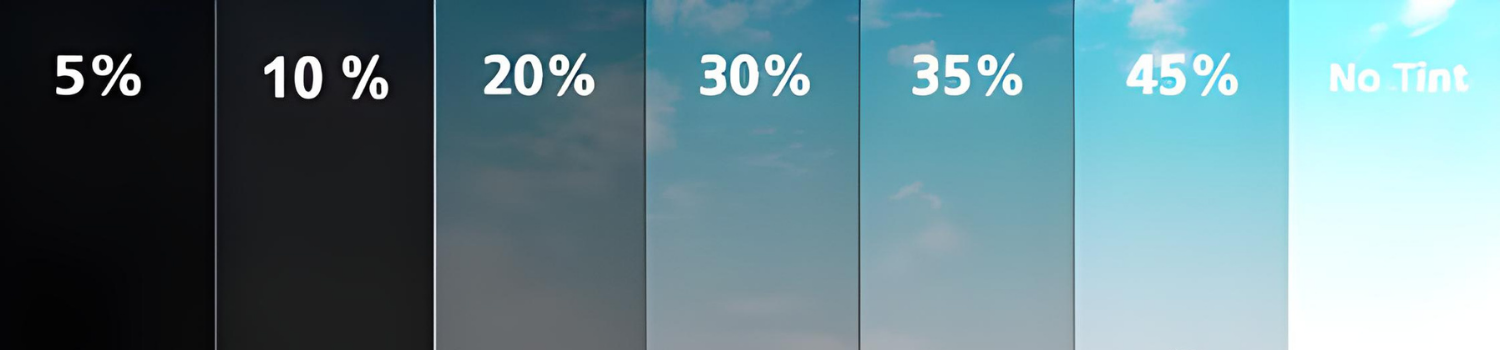
Illinois sets its standard tint limits by window. Non-reflective tint is allowed only on the top 6 inches of the windshield. The minimum for the front side windows depends on the windows behind the driver: at least 35% if no rear window is below 35%, and at least 50% if no rear window is below 30% (each with a 5% variance). If the rear window is tinted, the vehicle must have outside mirrors on both sides, and reflective or mirrored tint is not permitted.
Without an approved medical exemption, drivers are expected to follow these standard tint limits. Installing darker tint outside those limits without proper authorization may result in citations and other penalties.
Medical exemptions provide an accommodation for qualifying individuals, but they should never be viewed as permission to disregard Illinois window tint laws altogether.
Medical Need Comes First

The purpose of a medical window tint exemption is to help protect individuals whose health may be affected by direct sunlight or ultraviolet exposure. Illinois recognizes several qualifying medical conditions that may justify additional window tint when supported by physician certification.
Rather than focusing on obtaining the darkest possible tint, the goal should be receiving the amount of protection that is medically appropriate for your condition. Every applicant is evaluated individually by a licensed physician based on medical necessity.
If you qualify, you’ll receive the physician certification required to continue the Illinois Secretary of State approval process.
Why Following the Illinois Process Matters
Illinois has one of the more structured medical window tint exemption programs in the country. Drivers must obtain physician certification, submit the required documentation to the Secretary of State, receive approval through the tinted window license plate program, and continue carrying their physician certification while operating the vehicle.
Skipping any of these steps can create unnecessary legal problems, even if you have a legitimate qualifying medical condition. Completing the process correctly helps ensure your exemption is properly recognized under Illinois law.
ForeverTint simplifies the physician evaluation portion of the process by connecting Illinois residents with an independent licensed physician who reviews your medical history by chart review or, occasionally, a brief phone call. If you qualify, you’ll receive the physician certification needed to continue the state’s approval process.
How ForeverTint Helps You Qualify
Determining whether you qualify for an Illinois medical window tint exemption starts with a medical evaluation. ForeverTint connects Illinois residents with an independent licensed physician familiar with the state’s medical tint exemption requirements. The physician reviews your medical history by chart review or, occasionally, a brief phone call, and determines whether your condition qualifies under Illinois guidelines.
If you qualify, you’ll receive the physician certification required to continue the Illinois Secretary of State tinted window license plate process. If the physician determines you do not qualify, you receive a full refund.
Our goal is to simplify the process while helping you understand exactly what Illinois requires before installing darker window tint.
Know Your Rights and Responsibilities
An Illinois medical window tint exemption is intended to help drivers with qualifying medical conditions, not eliminate every window tint regulation. Following the approval process and carrying the required documentation helps ensure your darker window tint is recognized as a legal medical accommodation.
If you’re considering applying, learn more about the requirements by visiting our Illinois Window Tint Exemption guide. When you’re ready to begin, purchase your consultation through our Illinois Medical Window Tint Exemption page. You can also see what other customers have experienced by reading our ForeverTint Reviews.
Frequently Asked Questions
Can I choose any tint percentage with an Illinois medical window tint exemption?
No. The Illinois exemption applies to the windshield and front side window limits for a vehicle with the distinctive plates or stickers issued by the Secretary of State, and the physician certification must stay current. It is not granted for conditions that sunglasses or other eye protection can address.
Does a physician decide how much protection I need?
Yes. A licensed physician evaluates your medical condition to determine whether additional protection from direct sunlight is medically necessary. Every applicant is evaluated individually based on medical need.
Can I install darker tint before my exemption is approved?
It is best to complete the Illinois approval process before installing darker window tint. Driving with tint that exceeds the legal limit before your exemption is approved could result in citations.
Do I still have to carry my physician certification?
Yes. Illinois requires drivers with approved medical window tint exemptions to keep their physician certification in the vehicle whenever they are driving. This documentation should be available if requested by law enforcement.
How do I know if I qualify?
The best way to determine your eligibility is through a licensed physician evaluation. ForeverTint connects Illinois residents with an independent licensed physician who reviews your medical history by chart review or, occasionally, a brief phone call.
Find Out If You Qualify Today
If direct sunlight makes driving uncomfortable because of a qualifying medical condition, ForeverTint can help you begin the Illinois medical window tint exemption process. Complete your physician review from home and, if you qualify, receive the documentation needed to continue the Illinois Secretary of State approval process.

