
A West Virginia medical tint exemption is not a permit from the DMV or the State Police. It comes from a signed affidavit by a physician or optometrist licensed in West Virginia. Without that affidavit, front side windows must let in at least 35% of light and darker tint can result in a citation. The process involves two parts:
A physician licensed in West Virginia reviews your medical history and decides whether you have a physical condition that makes it necessary to equip your vehicle with sun-screening material darker or more reflective than the standard limits. If so, the physician signs an affidavit stating that.
No application to the DMV or State Police is required. The exemption applies to a vehicle registered in West Virginia in your name or your legal guardian’s name, and the affidavit must be in your (or your guardian’s) possession at all times while you are being transported in that vehicle.
Some drivers ask whether a West Virginia medical affidavit lets them tint their windows as dark as they want. The statute says its tint limits do not apply to a qualifying vehicle, but it does not cover vehicles registered in another state or to someone else, and the affidavit must be with the person who has the condition (or their guardian) whenever they ride in the vehicle.
ForeverTint connects you with an independent licensed physician who reviews your medical history by chart review or, occasionally, a brief phone call. If you qualify, the signed physician affidavit is emailed to you so you can print it and keep it with you in the vehicle.
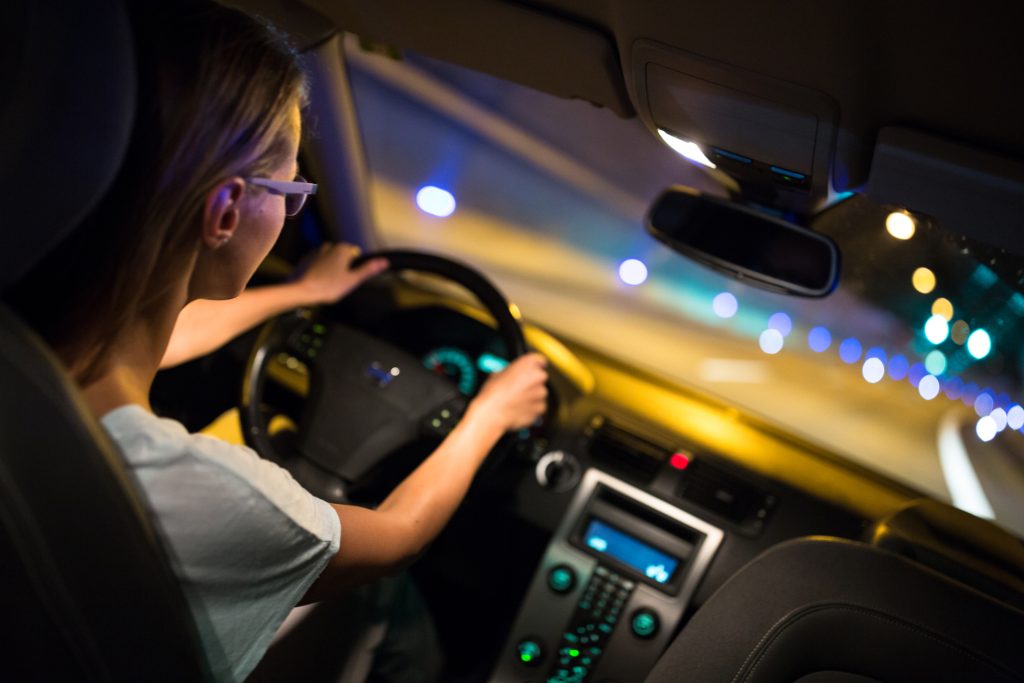
It’s important for West Virginia drivers to understand the state’s window tint laws, even if you are considering a Medical Window Tint Exemption. West Virginia has specific regulations regarding how dark and reflective your vehicle window tint may be. These laws are intended to maintain visibility and roadway safety while still allowing drivers to reduce glare and heat.
Windshield tint must be nonreflective, may not be red, yellow or amber, and may extend no lower than the AS-1 line or five inches from the top of the windshield, whichever is closer to the top. Factory-installed tint is permitted.
Front side windows must let in at least 35% of light and may be no more than 20% reflective. Darker front side tint requires a physician or optometrist affidavit under West Virginia law.
On passenger cars, side windows behind the driver must let in at least 35% of light and be no more than 20% reflective. The light transmission limit does not apply to windows behind the driver on trucks, buses, trailers, mobile homes and multipurpose passenger vehicles (such as most SUVs and vans).
On passenger cars, the rear window must let in at least 35% of light and be no more than 20% reflective; trucks, buses and multipurpose passenger vehicles have no light transmission limit behind the driver. If any window behind the driver is tinted, the vehicle must have left and right outside rear view mirrors.
Side and rear window tint may be no more than 20% reflective. Windshield tint must be nonreflective and may not be red, yellow or amber.

These limits mean that front side tint darker than 35% requires a West Virginia physician or optometrist affidavit. ForeverTint helps you find out whether you qualify for that affidavit. Eligibility is determined by a licensed physician based on your medical history.
Traditionally, getting a physician affidavit for West Virginia window tint meant making an in-person doctor’s appointment. ForeverTint moves the physician review online:
In the next section verify if you might have one of the qualifying conditions or something similar.
If you think you might be eligible, select “Purchase Your Exemption” (full refund if the physician determines you don’t qualify).
Exemptions are processed same day – on rare occasion our doctor may reach out for a brief phone call.
If you qualify, receive your signed physician affidavit within 72 hours, then print it and keep it with you whenever you ride in the vehicle.
*If the physician determines you do not qualify, you receive a full refund.
An independent licensed physician decides whether your condition qualifies. Conditions a physician may consider include:
Lupus is an autoimmune disease in which ultraviolet light can trigger skin rashes, joint pain, and fatigue. Physicians commonly advise people with lupus to limit UV exposure, including the UVA light that passes through car side windows.
Porphyrias are a group of disorders in which certain compounds build up in the body and react to light, causing blistering, burning pain, and skin damage after sun exposure. Avoiding sunlight is a central part of managing the cutaneous forms.
Xeroderma pigmentosum is a rare genetic disorder that prevents the body from repairing DNA damage caused by ultraviolet light. People with XP burn after minimal sun exposure and face a greatly increased risk of skin cancers and eye damage.
People with albinism produce little or no melanin, the pigment that helps protect skin and eyes from ultraviolet light. They are highly prone to sunburn and skin damage and often experience significant light sensitivity and glare.
Photosensitivity dermatitis is an abnormal skin reaction to sunlight that can cause redness, itching, swelling, and rash on exposed skin. It can be linked to an underlying condition or to medications, and limiting UV exposure helps prevent flare-ups.
A personal history of melanoma or other skin cancers means ongoing UV exposure is a serious concern. Dermatologists routinely advise these patients to reduce sun exposure wherever possible, including time spent driving.
Some eye conditions, such as uveitis, certain retinal disorders, and sensitivity following eye surgery, cause pain or impaired vision in bright light. A licensed physician or optometrist can assess whether reducing light exposure while driving is medically necessary.
Cockayne syndrome is a rare genetic disorder that causes extreme sensitivity to sunlight, along with other developmental and health effects. Strict sun protection is part of everyday care.
Bloom syndrome is a rare inherited disorder that causes sun-sensitive skin, often with a facial rash after sun exposure, and an increased lifetime risk of cancer. Limiting UV exposure is a standard precaution.
Vitiligo causes patches of skin to lose their pigment, leaving those areas without natural protection from ultraviolet light. Depigmented skin burns easily, so physicians often recommend extra sun protection.
Some autoimmune conditions, such as dermatomyositis, cause skin and muscle symptoms that worsen with sun exposure. Certain medications used to treat autoimmune disease can also increase sensitivity to light.
Healing burns, skin grafts, and scar tissue are more vulnerable to sun damage, and UV exposure can cause scars to darken. Physicians typically advise protecting these areas from direct sunlight.
Other diagnosed conditions, including sun sensitivity caused by medications, can make sun exposure a health concern. Describe your condition during intake, and an independent licensed physician will review your medical history and decide whether darker tint is medically necessary for you.
Under W. Va. Code § 17C-15-36a(f), the affidavit must:
No application to the DMV or State Police is required, and the statute does not set an expiration date. The signed affidavit must be in your possession, or your legal guardian’s possession, at all times while you are being transported in the vehicle. If an officer questions your tint, you can present it.
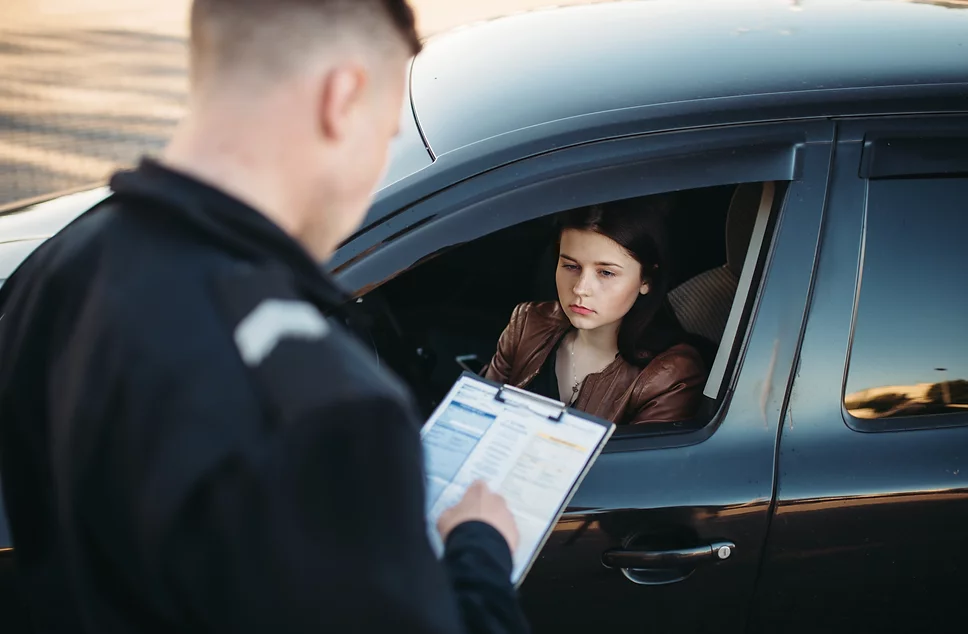
A verbal explanation is not enough. Without a signed physician or optometrist affidavit in the vehicle, front side tint darker than 35% can result in a citation, even if your medical condition is legitimate; a violation of section 17C-15-36a is a misdemeanor with a fine of up to $200. An affidavit does not guarantee you will not be stopped or cited; officers retain discretion.
West Virginia Code § 17C-15-36a(c): “A sun-screening device when used in conjunction with the automotive safety glazing materials of the side wings […] of the driver shall be a nonreflective type with reflectivity of not more than twenty percent and have a light transmission of not less than thirty-five percent.”
West Virginia Code § 17C-15-36a(f): “The provisions of this section do not apply to a motor vehicle registered in this state in the name of a person, or the person’s legal guardian, who has an affidavit signed by a physician or an optometrist licensed to practice in this state that states that the person has a physical condition that makes it necessary to equip the motor vehicle with sun-screening material which would be of a light transmittance or luminous reflectance in violation of this section. The affidavit must be in the possession of the person so afflicted, or the person’s legal guardian, at all times while being transported in the motor vehicle.”
West Virginia Code § 17C-15-36a(g): “The light transmittance requirement of this section does not apply to windows behind the driver on trucks, buses, trailers, mobile homes and multipurpose passenger vehicles.”
Source: West Virginia Code §17C-15-36a
West Virginia Code § 17C-15-36a requires front side windows to let in at least 35% of light with no more than 20% reflectivity. The tint limits do not apply to a vehicle registered in West Virginia to a person, or the person’s legal guardian, who has an affidavit from a physician or optometrist licensed in West Virginia stating that a physical condition makes darker sun-screening material necessary. The affidavit must be in the person’s or guardian’s possession while they are being transported in the vehicle.
ForeverTint connects you with an independent licensed physician, licensed in West Virginia, who reviews your medical history by chart review or, occasionally, a brief phone call. If you qualify, the signed physician affidavit is emailed to you. You print it and keep it with you in the vehicle; no state application is required.
West Virginia law requires the affidavit to be in the possession of the person with the medical condition, or their legal guardian, at all times while being transported in the vehicle. If you are stopped without it and your tint is darker than the standard limits, you can be cited; a violation is a misdemeanor with a fine of up to $200. Even with the affidavit, officers retain discretion.
The statute says its tint limits do not apply to a qualifying vehicle, and it does not set a separate darkness limit for exempt vehicles. The exemption covers only a vehicle registered in West Virginia in your name or your legal guardian’s name, and the affidavit must be with you or your guardian while you ride in it. Windshield tint rules and the physician’s assessment of your medical need still matter, so choose a tint level consistent with your affidavit.
No. West Virginia law does not require an application to the DMV or the State Police for a medical tint exemption. The exemption is based on an affidavit signed by a physician or optometrist licensed in West Virginia, which you keep with you in the vehicle.
First, have a physician or optometrist licensed in West Virginia review your medical history and, if you qualify, sign an affidavit stating that a physical condition makes darker sun-screening material necessary. The vehicle must be registered in West Virginia in your name or your legal guardian’s name. Keep the affidavit with you whenever you are transported in the vehicle; the statute does not set an expiration date.
West Virginia law does not list specific conditions; it requires a physical condition that makes darker sun-screening material necessary, as stated in a physician or optometrist affidavit. Conditions a physician may consider include lupus, porphyria, xeroderma pigmentosum, albinism, photosensitivity dermatitis, melanoma and other skin cancers, and light-sensitive eye conditions. An independent licensed physician decides whether your condition qualifies.

Having a medical recommendation from a doctor for darker window tint does not guarantee you will not get a ticket. An officer can still give you a ticket at their own discretion.