
Many drivers who qualify for a medical tint exemption wonder whether the exemption allows them to tint their windows as dark as they want. The short answer is no. While Minnesota Tint Law does allow darker tint when medically necessary, it does not remove all regulations or limitations.
Understanding Minnesota Window Tint Laws
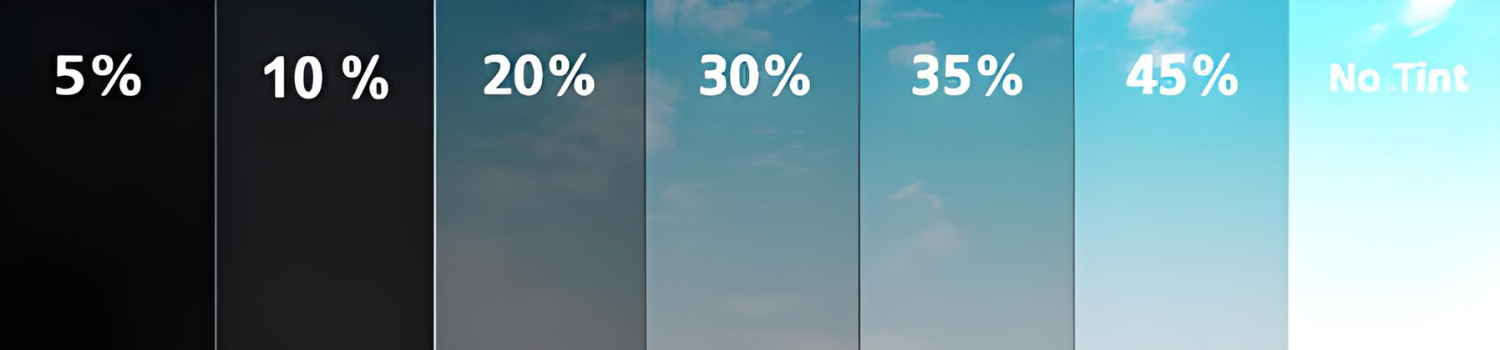
Minnesota regulates vehicle window tint to ensure that drivers maintain proper visibility and that law enforcement can safely interact with drivers during traffic stops. Under standard Minnesota window tint laws, most passenger vehicles must allow at least 50% visible light transmission through their windows.
This requirement applies to:
-
- Front side windows
- Rear side windows
- The rear window on most passenger vehicles
Additionally, reflective or mirrored tint is not permitted under Minnesota law. These rules are designed to balance driver comfort with public safety. When a vehicle’s tint is darker than the standard Minnesota window tint limits, the driver may receive a citation unless they qualify for a medical exemption.
What a Medical Tint Exemption Allows
A medical tint exemption allows individuals with qualifying medical conditions to install darker window tint when additional protection from sunlight is necessary. Many health conditions can make exposure to bright light or ultraviolet radiation harmful. In these situations, darker window tint can help reduce symptoms and improve comfort while driving.
Some of the conditions that may require additional protection include:
- Photosensitivity disorders
- Lupus
- Albinism
- Severe migraines triggered by light
- Skin conditions affected by UV exposure
- Certain eye disorders
When a physician determines that darker tint is medically necessary, they may issue documentation allowing the driver to exceed standard tint limits.
Why There Are Still Limits
Even with a medical exemption, window tint cannot simply be installed at any darkness level without medical justification. The purpose of the exemption is to provide necessary protection while still maintaining road safety. For this reason, Minnesota law requires that the physician specify the level of light transmittance needed to accommodate the patient’s condition. This means the tint must align with the medical recommendation rather than being chosen purely for cosmetic reasons. The physician’s documentation becomes the official Minnesota tint exemption documentation that confirms your tint is legally justified.

Why Documentation Is Required
If a vehicle has tint darker than the legal limit, law enforcement officers may measure the tint during a traffic stop. If the tint falls below the legal threshold and the driver cannot provide documentation, the officer may issue a citation. Drivers who qualify for a medical exemption must keep their documentation inside the vehicle at all times. This documentation proves that the darker tint is permitted under Minnesota law and protects the driver from receiving a ticket. Without documentation, the officer must enforce the standard Minnesota window tint limits.
How to Get a Medical Tint Exemption in Minnesota
Obtaining a tint exemption begins with a consultation with a licensed physician. The physician reviews the driver’s medical condition and determines whether additional protection from sunlight is necessary. If the physician confirms that darker tint is medically required, they provide written documentation specifying the appropriate tint level. Many drivers choose to complete this process online through services that specialize in tint exemption documentation.
ForeverTint simplifies the process by connecting drivers with licensed physicians who understand the legal requirements for tint exemptions. Through this consultation, drivers can obtain documentation supporting a medical window tint exemption in Minnesota without needing to navigate complicated paperwork.
Why Many Drivers Choose ForeverTint
Finding a physician familiar with tint exemptions can sometimes be difficult. Many drivers are unsure which documentation is required or how to properly complete the process. ForeverTint helps streamline the process by coordinating the physician consultation and documentation required by Minnesota law.
The process typically involves:
- Completing a simple online purchase
- Scheduling a short phone consultation
- A physician reviewing your condition
- Receiving documentation if approved
Once approved, drivers receive the documentation required to legally exceed standard Minnesota window tint limits.
Driving Legally With Darker Window Tint
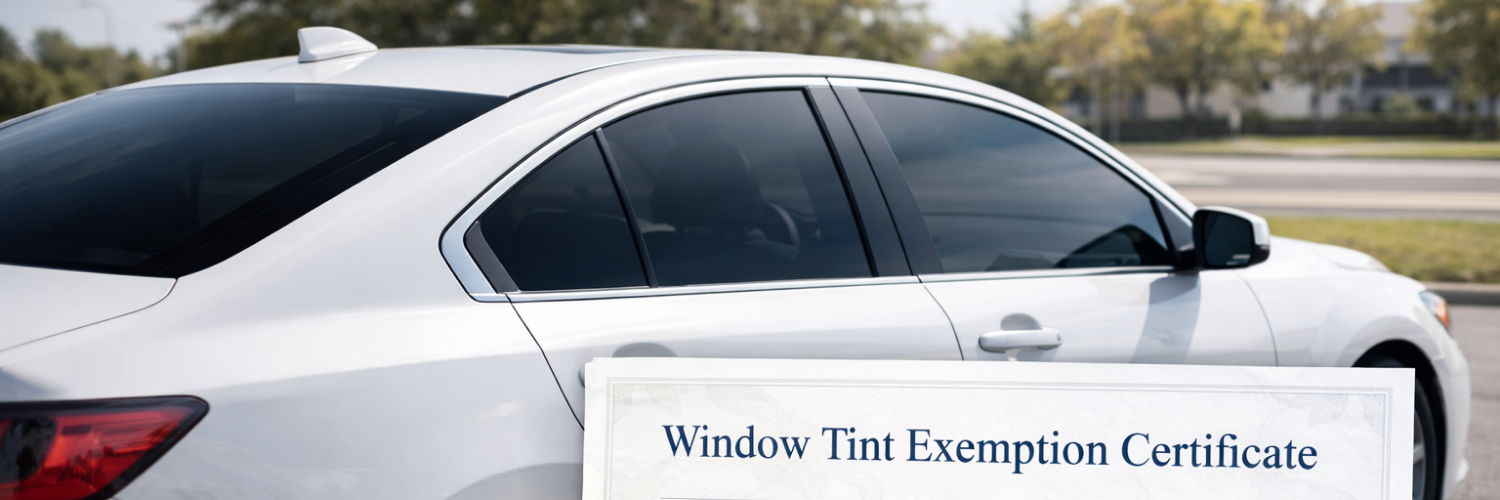
When drivers carry valid physician documentation, they can legally operate a vehicle with darker tint that would otherwise violate Minnesota tint laws. The key requirement is that the tint must match the medical needs described in the physician’s documentation. Drivers should always keep their documentation inside the vehicle so it can be presented if law enforcement questions the tint. This simple step helps ensure compliance with Minnesota law and prevents unnecessary citations.
Learn More About Minnesota Tint Exemptions
If you believe your medical condition requires additional protection from sunlight, obtaining the correct documentation is the safest way to stay compliant with state law. To learn more about eligibility and legal requirements, visit the complete guide to the Minnesota Medical Window Tint Exemption. If you’re ready to begin the process, you can purchase your Minnesota tint exemption and schedule a quick consultation with a licensed physician.

