
If you’re researching Ohio Medical Window Tint Exemption Limits, the most common question is whether an exemption lets you tint your windows as dark as you want. Ohio’s rule answers it directly: Ohio Administrative Code 4501-41-05 says Ohio’s tint specifications do not apply to a qualifying vehicle, and it does not set a separate darkness limit. The exemption depends on the signed affidavit being with you or the driver while in the vehicle, and officers retain discretion during a traffic stop.
That does not mean the darkest film is the right choice. This article explains what the exemption covers, what still applies, and how to choose tint that meets your medical need while keeping the road visible.
What Ohio’s Medical Exemption Actually Says

Under Ohio Administrative Code 4501-41-05, the tint rules in Chapter 4501-41 do not apply to a motor vehicle registered in Ohio in the name of a person, or the person’s parent, legal guardian, or spouse, who has an affidavit signed by a physician licensed in Ohio or an optometrist licensed in Ohio. The affidavit must state that the person has a physical condition that makes it necessary to equip the vehicle with sunscreening material that would otherwise violate those rules.
Three conditions come with the exemption:
- The affidavit: it must be signed by an Ohio-licensed physician or optometrist and state that a physical condition makes darker tint necessary.
- The vehicle: it must be registered in Ohio to the affected person or to that person’s parent, legal guardian, or spouse.
- Possession: the affidavit must be in the possession of the affected person or the driver at all times while in the vehicle.
The rule sets no separate darkness limit for a qualifying vehicle and no expiration date for the affidavit. There is no state permit, decal, or BMV filing.
Ohio’s Standard Tint Limits
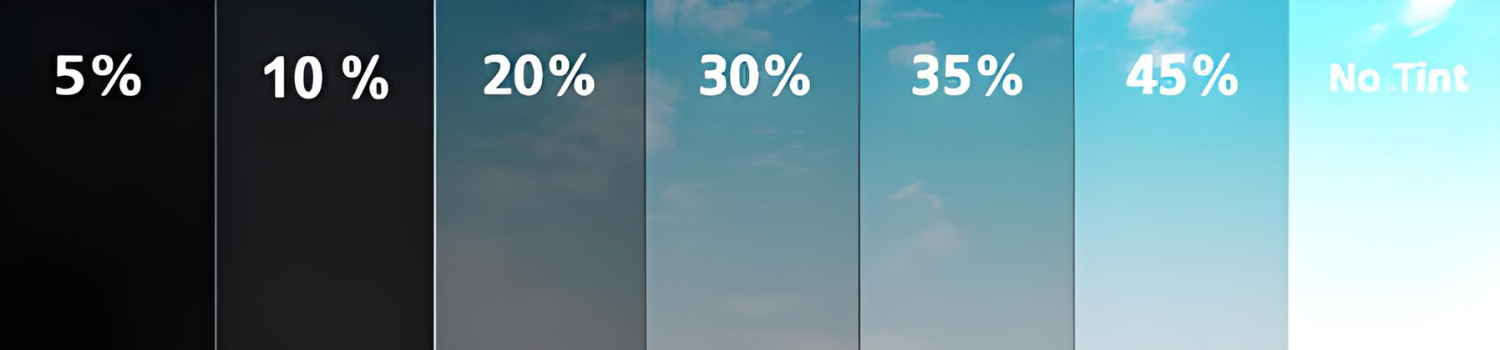
Without a qualifying affidavit, Ohio Administrative Code 4501-41-03 applies:
- Front side windows: at least 50% light transmittance, plus or minus 3%, and not red or yellow.
- Windshield: film must allow at least 70% light transmittance, plus or minus 3%, and not be red or yellow. Any material along the top of the windshield that does not extend below the AS-1 line or five inches from the top, whichever is closer to the top, is not regulated.
- Rear side windows and rear window: any darkness, but outside left and right rearview mirrors are required if the rear window lets in less than 50% of light.
- Reflectorized material: not permitted on the windshield, side windows, side wings, or rear window.
These limits still matter to exempt drivers. If the affidavit is not in the vehicle, or the vehicle is not registered to the affected person or a qualifying family member, the standard limits apply and a violation is a minor misdemeanor. Other states apply their own tint laws when you drive there.
Why the Darkest Film Is Not Always the Best Choice
Very dark tint reduces what you can see at night, in rain, and when backing up, and it makes it harder for other drivers and pedestrians to make eye contact with you. The goal is the level of protection your condition requires, not the darkest film available.
High-quality window films can provide strong ultraviolet protection and heat reduction without being very dark. Many premium films block up to 99 percent of UV rays while keeping good visibility. Discussing your physician’s assessment with an experienced installer can help you choose film that fits your medical need.
Every Driver’s Needs Are Different
Not every qualifying condition calls for the same amount of light reduction. One driver may need mostly UV protection, while another with severe photosensitivity may need more visible-light reduction. A licensed physician or optometrist evaluates each person individually.
Obtaining an Ohio Medical Window Tint Affidavit
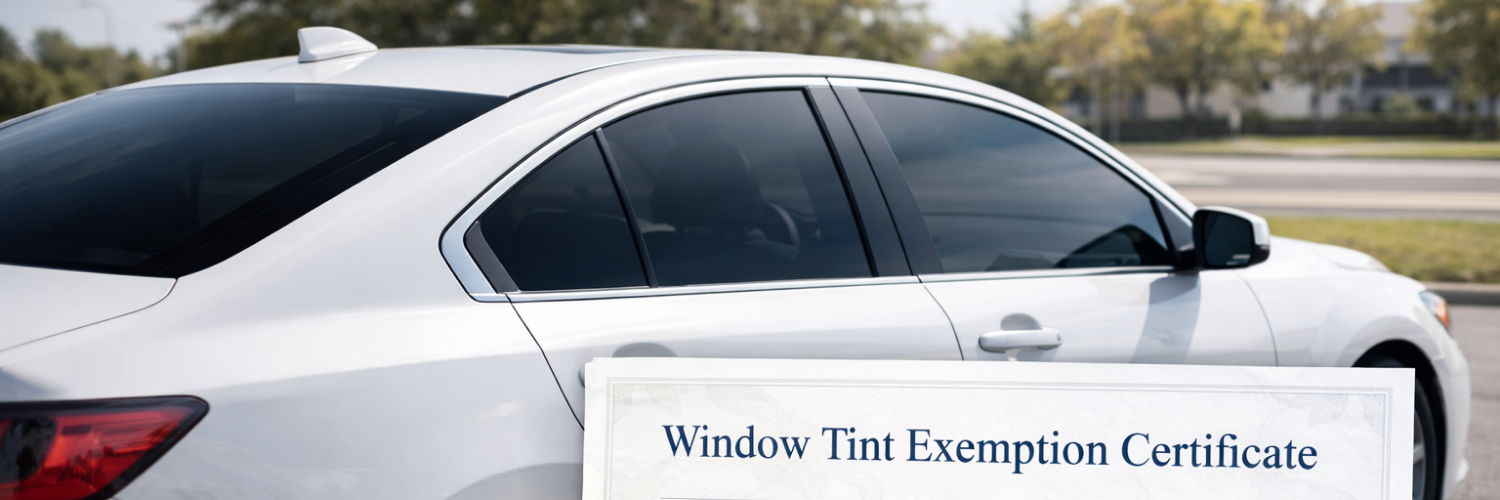
Before choosing darker window tint, complete the medical evaluation first. After purchasing an Ohio Medical Window Tint Exemption, an independent physician licensed in Ohio reviews your medical history by chart review or, occasionally, a brief phone call. If you qualify, your signed affidavit is delivered electronically so you can print it and keep it in the vehicle. If the physician determines you do not qualify, you receive a full refund.
To learn more about Ohio’s exemption process, visit our Ohio Window Tint Exemption page. You can also read what customers have shared in our ForeverTint Reviews. When you are ready, you can begin by purchasing your Ohio Medical Window Tint Exemption.
Frequently Asked Questions
Can you tint your windows as dark as you want with an Ohio medical exemption?
Rule 4501-41-05 says Ohio’s tint specifications do not apply to a qualifying vehicle, and it does not set a separate darkness limit. The exemption depends on the signed affidavit being with you or the driver while in the vehicle. Officers retain discretion during a traffic stop.
Does an Ohio medical exemption override all window tint laws?
It lifts the Chapter 4501-41 tint rules only for a vehicle registered in Ohio to the affected person or that person’s parent, legal guardian, or spouse, and only while the affidavit is with the affected person or the driver. Without those conditions, the standard Ohio limits apply.
Who decides whether I qualify for darker window tint?
A licensed Ohio physician or licensed Ohio optometrist evaluates your medical condition and decides whether a physical condition makes darker tint necessary.
Can I choose any window film after receiving my exemption?
The rule does not set a separate limit, but working with a knowledgeable installer is recommended so you can choose film that meets your medical need and keeps good visibility.
Will I still need to carry my medical paperwork?
Yes. Ohio Administrative Code 4501-41-05 requires the affidavit to be in the possession of the affected person or the driver at all times while in the vehicle.
How do I obtain an Ohio medical window tint exemption?
An Ohio-licensed physician or optometrist reviews your medical history and decides whether you have a physical condition that makes darker window tint necessary. If so, they sign an affidavit stating that. You keep the affidavit with you, or with whoever is driving, whenever you are in the vehicle; there is no state application.
Where can I learn more about Ohio’s medical window tint exemption?
You can learn more on our Ohio Window Tint Exemption page and by reading Ohio Administrative Code 4501-41-03 and 4501-41-05.

