
If you have an Ohio Window Tint Exemption Paperwork, carrying it with you while driving is just as important as obtaining it in the first place. Ohio law recognizes medical window tint exemptions for qualifying individuals, but the signed affidavit must be in the possession of the affected person or the driver at all times while in the vehicle. Forgetting your paperwork could create unnecessary complications during a traffic stop, even if your darker window tint is medically justified.
Many drivers spend time researching Ohio’s window tint laws, obtaining the required physician evaluation, and installing legal medical tint, only to overlook one of the most important requirements afterward. Keeping your medical affidavit inside your vehicle ensures you can quickly demonstrate that your darker tint is supported under Ohio Administrative Code 4501-41-05 if questions arise.
Understanding what law enforcement may ask for and knowing your responsibilities as a driver can help you avoid unnecessary delays and provide peace of mind every time you get behind the wheel.
Why Ohio Requires You to Carry Your Medical Affidavit

Ohio Administrative Code 4501-41-05 provides an exemption for qualifying individuals whose medical condition requires darker window tint than is normally permitted under state law. Rather than issuing a separate state permit, Ohio relies on a signed affidavit completed by a licensed Ohio physician or licensed Ohio optometrist. The exemption applies to a vehicle registered in Ohio to the affected person or to that person’s parent, legal guardian, or spouse.
The rule states that the affidavit must be in the possession of the affected person or the driver at all times while in the motor vehicle. This requirement allows law enforcement officers to verify that the darker window tint is medically authorized if the vehicle is stopped.
Without the affidavit available, an officer has no way to confirm at the stop whether your darker tint qualifies under Ohio’s medical exemption. Even if a physician has already signed your affidavit, failing to present your documentation could result in additional questions or a citation depending on the circumstances.
What Happens During a Traffic Stop?
Every traffic stop is different, but if an officer notices window tint that appears darker than Ohio’s standard legal limits, they may ask questions regarding the tint and request supporting documentation. This is where having your medical affidavit available becomes important.
If you can present the signed affidavit, the officer can review the documentation showing that your darker tint is medically supported under Ohio law. Having organized paperwork often makes the interaction quicker and reduces confusion for everyone involved.
If you cannot provide the affidavit, the officer may have no evidence at the stop that your darker tint qualifies for a medical exemption. Although each situation depends on the circumstances, drivers should not assume that simply explaining they have a medical condition will satisfy the documentation requirement.
Verbal Explanations Are Not a Substitute
One common misconception is that telling an officer about your medical condition is enough. Ohio’s exemption process is based on documented medical necessity, not verbal statements during a traffic stop.
The affidavit completed by a licensed physician or licensed optometrist serves as the legal documentation supporting your exemption. Carrying that paperwork demonstrates that your darker window tint has already been medically evaluated rather than simply claimed after being stopped.
Simple Ways to Keep Your Documentation Available

The easiest way to avoid problems is to develop a routine as soon as you receive your medical affidavit. Many drivers print multiple copies so they have a backup available if one becomes damaged or misplaced.
Consider storing one copy inside your glove compartment or vehicle document organizer alongside your registration and proof of insurance. Some drivers also keep an additional copy in another secure location for added convenience. While electronic copies may be useful for your own records, having a printed affidavit readily available can make interactions with law enforcement much simpler.
If your documentation becomes damaged or unreadable, contact the provider who issued your affidavit and request a replacement as soon as possible. Maintaining legible paperwork helps prevent unnecessary complications later.
Obtaining Your Ohio Medical Documentation
Before worrying about carrying your paperwork, you first need to obtain valid medical documentation through the proper process. Ohio requires the exemption to be supported by an affidavit signed by a licensed Ohio physician or licensed Ohio optometrist who determines that darker window tint is medically necessary because of your condition.
ForeverTint simplifies this process: an independent physician licensed in Ohio reviews your medical history by chart review or, occasionally, a brief phone call. Instead of trying to locate providers familiar with Ohio’s medical tint requirements, applicants can complete the review from home.
After purchasing an Ohio Medical Window Tint Exemption, our team guides you through each step. If you qualify, your signed affidavit is delivered electronically so you can print it and keep it inside your vehicle as required by Ohio law.
Why Staying Prepared Matters
Most drivers never expect to be questioned about their window tint until it actually happens. Preparing in advance helps eliminate uncertainty and allows you to respond confidently if law enforcement requests your documentation. Carrying your affidavit requires very little effort, yet it can save time and reduce stress during a traffic stop.
Being organized also demonstrates that you have taken the appropriate steps to comply with Ohio law. Rather than relying on memory or attempting to explain your medical history roadside, you can simply provide the documentation that supports your exemption.
How ForeverTint Helps You Stay Compliant
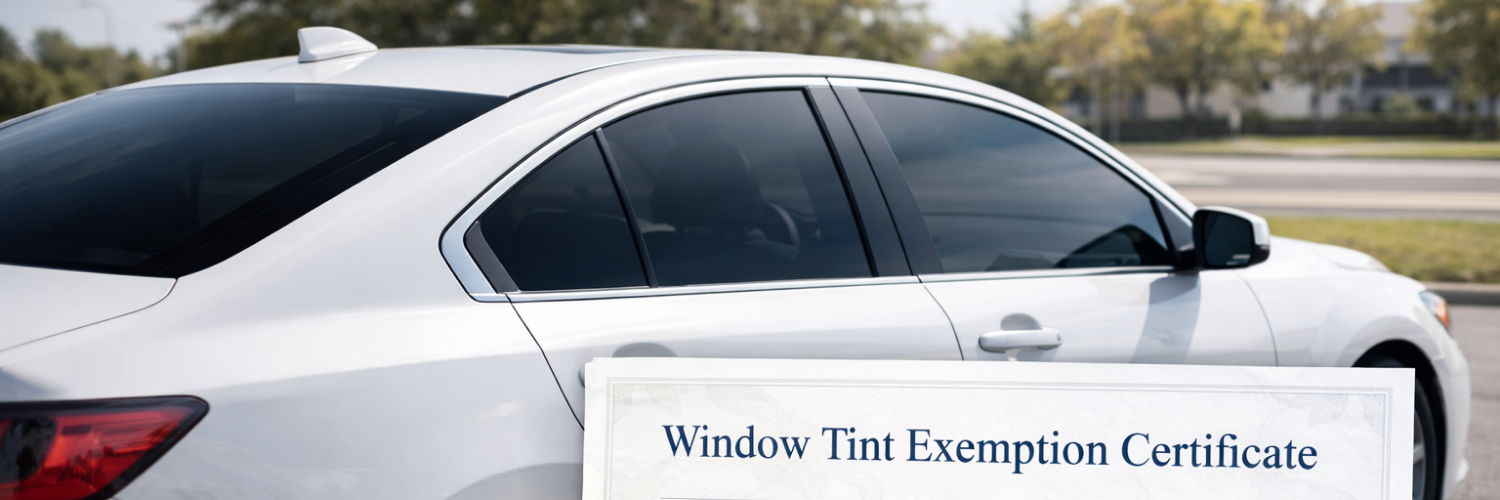
ForeverTint is committed to helping Ohio drivers understand their responsibilities before they ever install darker window tint. Our process is designed to provide qualifying individuals with the documentation recognized under Ohio law while making the experience as simple and convenient as possible.
After the physician review, applicants who qualify receive their signed medical affidavit electronically, so you can print it and place it in the vehicle before driving with darker window tint.
If you ever need additional information about Ohio’s exemption process, you can visit our Ohio Window Tint Exemption page. You can also learn why so many drivers trust our process by reading our ForeverTint Reviews.
Drive With Confidence Knowing You’re Prepared
Having darker window tint because of a qualifying medical condition should not be a source of stress. By obtaining the proper medical affidavit and keeping it with you whenever you drive, you can confidently demonstrate that your vehicle qualifies for Ohio’s medical window tint exemption if questioned by law enforcement.
If you believe you qualify, ForeverTint makes the process simple: a review by an independent physician licensed in Ohio and electronic delivery of your affidavit if you qualify. If the physician determines you do not qualify, you receive a full refund. You can begin today by purchasing your Ohio Medical Window Tint Exemption and completing the first step toward driving legally with the additional protection you need.
Frequently Asked Questions
What happens if you are pulled over in Ohio and do not have your tint exemption paperwork?
Rule 4501-41-05 requires the affidavit to be in the possession of the affected person or the driver at all times while in the vehicle. If your front side tint is darker than 50% (plus or minus 3%) and you cannot show the affidavit, you can be cited; a violation is a minor misdemeanor. Even with the affidavit, officers retain discretion.
Do I always need to carry my Ohio medical affidavit while driving?
Yes. Ohio Administrative Code 4501-41-05 states that the affidavit shall be in the possession of the affected person or the driver at all times while in the vehicle. Keeping it in your vehicle helps you demonstrate compliance if your tint is questioned.
Can I show a digital copy of my exemption paperwork?
Ohio law specifies that you must possess the affidavit while operating the vehicle but does not specifically address digital copies. Keeping a printed copy inside your vehicle is the safest approach and helps avoid unnecessary delays during a traffic stop.
Will law enforcement automatically know I have a medical exemption?
No. Officers generally rely on the documentation you provide during the traffic stop. Carrying your signed affidavit allows them to verify that your darker window tint is supported under Ohio law.
What should I do if my affidavit is lost or damaged?
Contact the medical provider who issued your documentation as soon as possible to request a replacement. Keeping a legible copy in your vehicle helps ensure you remain prepared if questioned about your window tint.
Can someone else drive my vehicle if it has a medical tint exemption?
Rule 4501-41-05 covers a vehicle registered in Ohio to the affected person or to that person’s parent, legal guardian, or spouse. The affidavit may be in the possession of the affected person or the driver, so anyone else driving the vehicle should keep the affidavit with them.
Where can I learn more about Ohio’s window tint exemption requirements?
You can learn more by reviewing our Ohio Window Tint Exemption page and reading the applicable provisions of Ohio Administrative Code 4501-41-05. Understanding the law before installing darker tint helps you stay compliant.

