
If you’re researching Oregon Medical Tint Darkness, you’ve probably wondered whether a medical window tint exemption allows you to install any tint you want. This is one of the most common questions Oregon drivers ask after learning that medical exemptions exist. While Oregon law does allow qualifying drivers to use darker window tint than normally permitted, a medical exemption does not eliminate every legal requirement related to vehicle window tinting.
Understanding exactly what Oregon’s medical exemption allows can help you remain compliant while still receiving the additional protection your medical condition requires. Drivers who rely on incorrect information may unknowingly install illegal tint or misunderstand how Oregon’s exemption laws actually work.
What Does Oregon Law Say?

ORS 815.221 establishes Oregon’s standard window tint requirements while also creating an exception for qualifying medical conditions. Under the statute, a licensed physician or optometrist may determine that an individual requires darker window tint because of a physical condition that makes additional protection from sunlight medically necessary.
Rather than creating unlimited exceptions, Oregon law allows qualifying drivers to legally exceed certain standard tint limits when supported by proper medical documentation. That documentation becomes the legal basis for operating the vehicle with darker window tint.
Medical Necessity Is the Key
The exemption exists to protect drivers whose health may be affected by sunlight, ultraviolet radiation, glare, or excessive light exposure. It is not intended to provide darker tint simply for appearance or additional privacy. The physician or optometrist must determine that darker tint serves a legitimate medical purpose before qualifying documentation is issued.
Does the Exemption Mean Any Tint Is Allowed?
No. A common misconception is that receiving a medical tint exemption allows drivers to install completely unrestricted window tint on every piece of glass. Oregon law does not state that drivers receive unlimited authority to apply any tint they choose simply because they have qualifying documentation.
Instead, the exemption authorizes darker window tint when medically necessary while drivers must continue complying with the portions of Oregon law that are not affected by the medical accommodation. Vehicle owners should still ensure their tint installation is completed professionally and remains consistent with applicable Oregon safety requirements.
Other Oregon Tint Laws Still Apply
Even when a medical exemption has been issued, Oregon continues to regulate several aspects of vehicle window tint. The medical exception relaxes only Oregon’s light transmittance limits for side and rear windows of a vehicle registered in your name or your legal guardian’s name. The 13 percent reflectance limit still applies, windshield tint is limited to the top six inches, and mirror finish products and red, gold, yellow, amber or black tint material remain prohibited. Drivers should work with an experienced tint installer who understands Oregon regulations to ensure the installation remains compliant.
Keeping your qualifying medical documentation inside the vehicle is equally important. During a traffic stop, that documentation provides the legal explanation for why your vehicle has darker window tint than would otherwise be allowed.
Understanding Standard Oregon Tint Limits
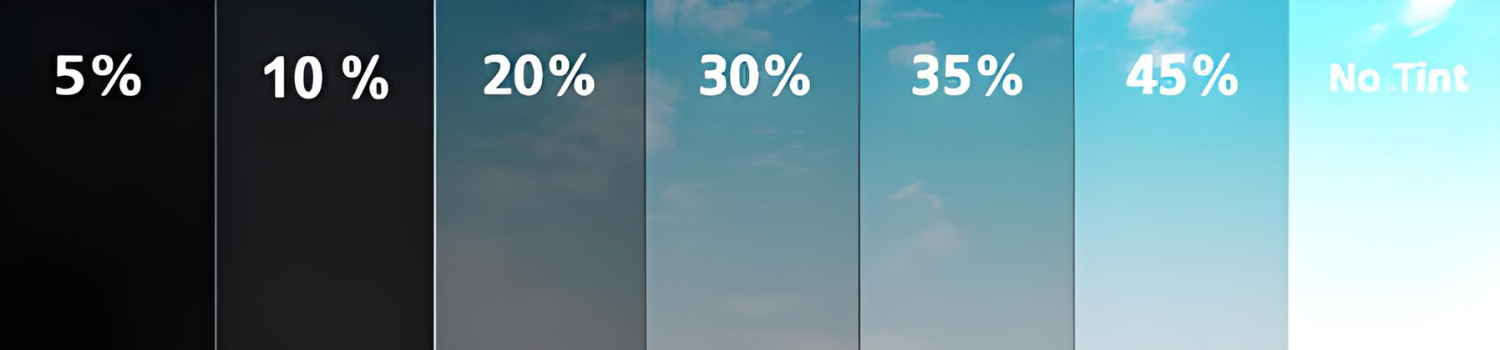
Without a medical exemption, Oregon requires side and rear windows to have 35 percent or more total light transmittance, with film that transmits at least 50 percent and reflectance of no more than 13 percent. Windshield tint is limited to the top six inches, and mirror finish products are prohibited.
Multipurpose passenger vehicles, including many SUVs and vans, with mirrors on both sides may have any darkness on windows behind the driver. Front side windows remain subject to the standard light transmittance limits unless the medical exception applies.
Who Benefits From a Medical Tint Exemption?
Drivers living with certain medical conditions often experience significant discomfort when exposed to bright sunlight or ultraviolet radiation. Conditions such as lupus, porphyria, xeroderma pigmentosum, albinism, photosensitivity dermatitis, melanoma and other skin cancers, and light-sensitive eye conditions may justify additional protection through darker window tint when determined medically necessary by a licensed physician or optometrist.
Every individual is evaluated based on their own medical history and symptoms. There is no automatic approval simply because someone has heard that a particular diagnosis commonly qualifies. The physician’s medical evaluation determines whether darker tint is appropriate under Oregon law.
How ForeverTint Helps You Stay Compliant
Understanding Oregon’s tint laws is only part of the process. If your physician determines that darker window tint is medically necessary, obtaining documentation that complies with ORS 815.221 is essential. ForeverTint simplifies the process by connecting qualifying Oregon drivers with licensed physicians who understand the state’s medical window tint requirements.
After purchasing through ForeverTint’s Oregon Medical Window Tint Exemption service, an independent licensed physician reviews your medical history by chart review, occasionally with a brief phone call. During the evaluation, your medical condition is reviewed to determine whether additional protection from sunlight is medically necessary. If you qualify, your qualifying documentation is delivered electronically so you can print it and keep it inside your vehicle as required by Oregon law.
How to Stay Within Oregon’s Medical Tint Laws

Receiving a medical exemption does not mean you no longer have responsibilities as a vehicle owner. Staying compliant involves more than simply installing darker window tint. Drivers should understand both the privileges and the obligations that accompany Oregon’s medical exemption.
Some simple ways to remain compliant include:
- Carry your physician or optometrist documentation inside your vehicle at all times.
- Use a professional tint installer familiar with Oregon regulations.
- Avoid prohibited tint colors and excessive reflectivity.
- Keep your documentation readily available if law enforcement requests it.
- Maintain dual side mirrors when required for your vehicle configuration.
Following these steps allows you to enjoy the additional comfort provided by darker window tint while remaining within Oregon’s legal framework.
Common Misunderstandings About Medical Tint Darkness
Many drivers assume that once they receive a medical exemption they can install the darkest window film available on every window. Oregon law is more specific than that. The exemption recognizes a legitimate medical need for darker tint, but drivers should continue following applicable vehicle safety requirements and maintain the documentation supporting their exemption.
Another misconception is that the exemption lasts without any documentation. Oregon specifically requires qualifying documentation from a licensed physician or optometrist to support the medical necessity for darker tint. That documentation should remain inside the vehicle whenever it is being operated.
Protect Your Health While Following Oregon Law
If bright sunlight, glare, or ultraviolet exposure aggravates your medical condition, an Oregon medical window tint exemption may allow you to legally obtain the additional protection you need. Oregon law recognizes that certain medical conditions justify darker window tint when supported by proper physician or optometrist documentation.
ForeverTint helps Oregon drivers complete this process by connecting them with an independent licensed physician who reviews their medical history by chart review, occasionally with a brief phone call. If you qualify, you’ll receive documentation prepared in accordance with Oregon law so you can confidently operate your vehicle with medically necessary darker window tint. Learn more by visiting our Oregon Window Tint Exemption page or begin your evaluation through our Oregon Medical Window Tint Exemption service.
Frequently Asked Questions
Does an Oregon medical tint exemption allow any tint darkness?
No. The medical exception relaxes only Oregon’s light transmittance limits for side and rear windows. The 13 percent reflectance limit still applies, windshield tint is limited to the top six inches, and mirror finish products and red, gold, yellow, amber or black tint material remain prohibited.
Can I tint every window as dark as I want with a medical exemption?
No. Oregon’s medical exemption is intended to accommodate legitimate medical needs, not eliminate every window tint regulation. Drivers should continue following applicable tint laws that are not affected by the medical exemption.
Who decides whether I qualify for darker window tint?
A licensed physician or optometrist evaluates your medical condition and determines whether darker window tint is medically necessary. Approval is based on your individual circumstances and not on a fixed list of qualifying conditions.
Do I still need to carry documentation after I’m approved?
Yes. Oregon law requires qualifying medical documentation to remain inside the vehicle whenever you are operating with medically exempt window tint. Law enforcement may request to review it during a traffic stop.
Can darker tint still be installed professionally?
Yes. Professional tint installers can install darker window tint when supported by valid medical documentation. Working with an installer familiar with Oregon law helps ensure your vehicle remains compliant.
What medical conditions may qualify for an Oregon medical tint exemption?
Oregon law does not list specific conditions. Conditions a physician may consider include lupus, porphyria, xeroderma pigmentosum, albinism, photosensitivity dermatitis, melanoma and other skin cancers, and light-sensitive eye conditions. A licensed physician or optometrist determines eligibility based on your individual medical condition.
How does ForeverTint help?
ForeverTint connects Oregon drivers with an independent licensed physician who reviews your medical history by chart review, occasionally with a brief phone call. If you qualify, your medical documentation is delivered electronically so you can print it and keep it inside your vehicle as required by Oregon law.

