
If you’re driving with darker window tint under an Oregon Medical Tint Documentation, carrying the proper paperwork is just as important as obtaining it. Oregon law allows qualifying drivers to legally operate vehicles with darker-than-standard window tint when medically necessary, but that exemption depends on having valid documentation available inside the vehicle. If you cannot present your documentation during a traffic stop, you may still face questions or citations even if you legitimately qualify for a medical exemption.
Many Oregon drivers focus on obtaining darker window tint while overlooking the legal responsibility that comes afterward. Understanding what law enforcement may ask for, what Oregon law requires, and how to properly store your documentation can help you avoid unnecessary complications if you’re ever stopped.
What Oregon Law Requires

Oregon’s medical window tint exemption is established under ORS 815.221. The statute allows qualifying drivers to use darker window tint than would normally be permitted when a licensed physician or optometrist determines that additional protection from sunlight is medically necessary.
Unlike some states that issue a government permit, Oregon relies on medical documentation signed by a licensed physician or optometrist. The documentation may be provided as an affidavit, prescription, or letter on official medical letterhead. Regardless of the format, Oregon law requires that this documentation remain inside the vehicle and be shown to law enforcement upon request.
Why Carrying Documentation Matters
Your documentation serves as the legal basis for operating a vehicle with darker-than-standard window tint. Without it, an officer has no immediate way to verify that your vehicle qualifies for Oregon’s medical exemption provisions. Even if you have a legitimate medical condition, failing to present your documentation can create unnecessary delays and may result in enforcement action.
Keeping your paperwork in the glove compartment or another secure location inside your vehicle ensures that it is readily available whenever needed.
What Happens During a Traffic Stop?

Every traffic stop is different, but if an officer notices window tint that appears darker than Oregon’s legal limits, they may ask whether the vehicle qualifies for a medical exemption. At that point, you should be prepared to present your physician or optometrist documentation.
If your paperwork is available and properly completed, it helps demonstrate that your darker tint has been authorized for medical purposes under ORS 815.221. Having the documentation readily available often makes the interaction much smoother and allows the officer to verify your exemption.
If You Don’t Have Your Documentation
If you cannot produce your medical documentation during the stop, the officer may have no immediate way to determine whether your darker window tint is legally authorized. Depending on the circumstances, you could receive a citation for illegal window tinting, a Class B traffic violation. Under ORS 815.222(5), a court may dismiss the citation or reduce the fine if you show that you or a household member had a qualifying physical condition when the citation was issued.
Although every situation is different, carrying your documentation every time you drive is the easiest way to avoid unnecessary complications.
What Documentation Is Accepted?
ORS 815.221 specifies that qualifying medical documentation may take several forms. A licensed physician or optometrist may provide an affidavit, a prescription, or a letter on official letterhead stating that darker window tint is medically necessary because of a qualifying physical condition.
The documentation should clearly identify the medical provider and establish that the need for darker tint is based on legitimate medical necessity. Oregon law recognizes these documents as the legal basis for the medical exemption, making them essential whenever your vehicle is operated with darker-than-standard tint.
Common Mistakes Drivers Make
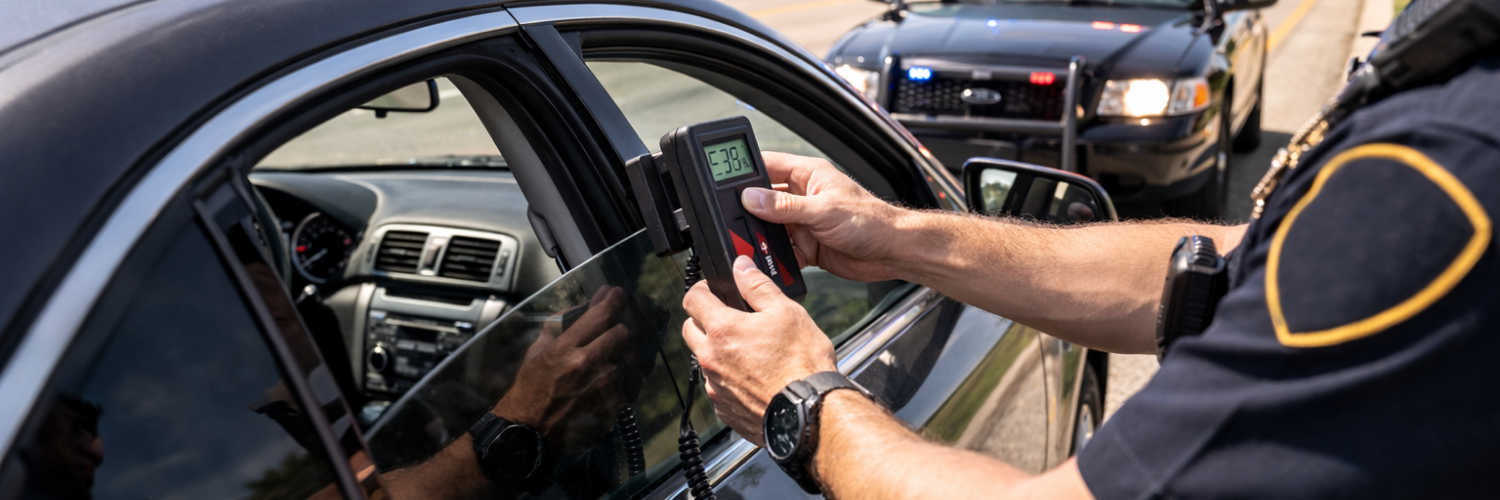
Many drivers mistakenly assume that simply having a qualifying medical condition is enough. Others believe that showing an electronic copy on their phone or explaining their condition verbally will satisfy the legal requirement. Oregon law specifically requires drivers to keep the qualifying documentation inside the vehicle, making preparation before every trip important.
Another common mistake is misplacing the documentation after receiving it. Because the paperwork may only be needed occasionally, it’s easy to forget where it was stored. Keeping a printed copy with your vehicle at all times helps prevent problems during unexpected traffic stops.
How ForeverTint Helps Oregon Drivers Stay Compliant
Obtaining your medical documentation should be straightforward, accurate, and convenient. ForeverTint helps simplify the process by connecting qualifying Oregon drivers with licensed physicians who understand the requirements of ORS 815.221. Rather than trying to locate a medical provider familiar with Oregon’s tint laws, you can complete the evaluation from the comfort of your home.
Once you purchase through ForeverTint’s Oregon Medical Window Tint Exemption service, an independent licensed physician reviews your medical history by chart review, occasionally with a brief phone call. Your medical condition is reviewed to determine whether additional protection from sunlight is medically necessary. If you qualify, your qualifying documentation is prepared and delivered electronically so you can print it and keep it inside your vehicle.
Best Practices for Keeping Your Documentation
Once you’ve received your physician or optometrist documentation, it should become part of your normal vehicle paperwork. Just as you carry your vehicle registration and proof of insurance, your medical tint documentation should remain inside the vehicle whenever you are driving with darker-than-standard window tint.
Some simple ways to stay organized include:
- Keep the original documentation in your glove compartment.
- Store the paperwork in a protective folder to prevent damage.
- Review your documentation periodically to make sure it remains legible.
- Know where it is located so it can be presented quickly during a traffic stop.
Being prepared before you’re ever stopped can save time and help demonstrate that your darker window tint is legally authorized under Oregon law.
Understanding Your Responsibilities as a Driver
Oregon’s medical window tint exemption provides an important accommodation for individuals whose medical conditions require additional protection from sunlight. However, receiving the documentation is only one part of remaining compliant. Drivers are responsible for carrying that documentation inside the vehicle whenever operating with darker tint than Oregon’s standard legal limits.
It’s also important to remember that the exemption exists for legitimate medical purposes. The documentation should accurately reflect your physician’s or optometrist’s medical determination and should only be used in accordance with Oregon law.
Stay Prepared Before You Drive
If you qualify for an Oregon medical tint exemption, carrying your documentation every time you drive is one of the easiest ways to protect yourself from unnecessary citations. Oregon law specifically recognizes physician or optometrist documentation as proof that darker window tint is medically necessary, making it an essential part of remaining compliant.
ForeverTint makes obtaining that documentation simple by connecting Oregon drivers with an independent licensed physician who reviews your medical history by chart review, occasionally with a brief phone call. If you qualify, you’ll receive professionally prepared documentation that satisfies Oregon’s legal requirements and can be kept inside your vehicle whenever you travel. Learn more about Oregon’s exemption process by visiting our Oregon Window Tint Exemption page or begin your evaluation through our Oregon Medical Window Tint Exemption service.
Frequently Asked Questions
What happens if you are pulled over in Oregon without your medical tint documentation?
If law enforcement questions your darker window tint and you cannot provide your medical documentation, you may still receive a citation for violating Oregon tint laws. Oregon requires that your physician or optometrist documentation be kept inside the vehicle whenever you are operating with medically exempt tint.
What documents are accepted for an Oregon medical tint exemption?
Oregon law allows an affidavit, prescription, or letter written on official physician or optometrist letterhead. The documentation must state that darker window tint is medically necessary because of a qualifying physical condition.
Do I need to carry my documentation every time I drive?
Yes. ORS 815.221 requires qualifying documentation to remain inside the vehicle whenever you are operating with medically exempt window tint. Keeping it readily available allows you to present it if requested by law enforcement.
Can I show a police officer a verbal explanation instead of documentation?
No. Verbal explanations alone do not replace the documentation required under Oregon law. The physician or optometrist documentation serves as the legal proof that your darker window tint is medically authorized.
Does Oregon issue a medical tint permit through the DMV?
No. Oregon does not require a DMV-issued permit for medical window tint exemptions. Instead, qualifying drivers carry signed documentation from a licensed physician or optometrist inside the vehicle.
Can I keep a copy of my documentation instead of the original?
Keeping your documentation inside the vehicle is the most important requirement. Many drivers choose to keep the original in a safe location and carry a legible copy, but you should always ensure the documentation can clearly demonstrate your exemption if requested.
How can ForeverTint help?
ForeverTint connects qualifying Oregon drivers with licensed physicians who can evaluate whether darker window tint is medically necessary. If you qualify, your documentation is prepared and delivered electronically so you can print it and keep it in your vehicle.

